

The European Commission is urging member states to reduce their consumption of oil and gas, especially in transportation, to prepare for a possible „prolonged disruption” in energy supply caused by the conflict in Iran.
The EC warns that Europe is facing price hikes and the risk of shortages, with recommended measures including voluntary savings, closer market monitoring, and increased use of biofuels.
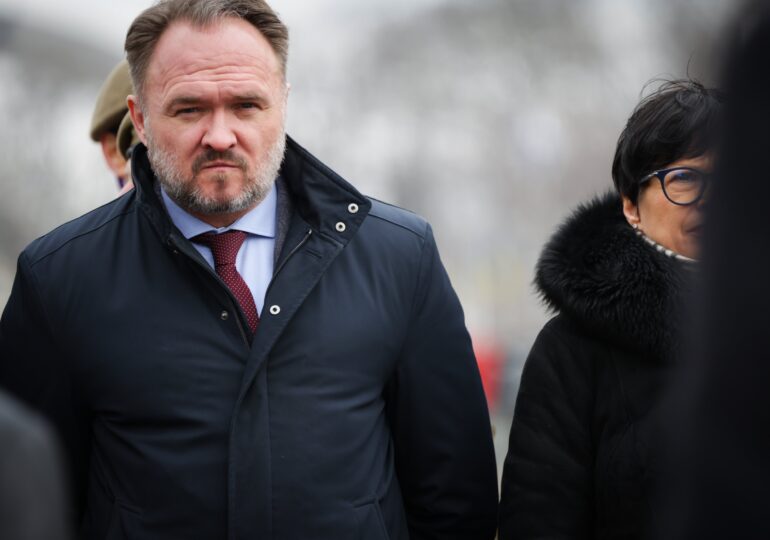
The request was made by European Commissioner for Energy, Dan Jørgensen (pictured above), reflecting concerns that the current Gulf crisis is escalating from a price issue to a genuine energy supply crisis with serious implications for the global economy.
In a letter addressed to EU Energy Ministers, seen by Politico, Commissioner Jørgensen emphasized that governments should consider "voluntary demand-saving measures... with particular attention to the transportation sector."
This could mean each state asking its own citizens to drive or fly less, to save fuel for essential purposes, as is already happening in some Asian countries.
European Energy Ministers will participate in an emergency meeting on Tuesday to discuss how to address the energy crisis.
In his letter, Jørgensen noted that Europe's transportation sector is facing cost increases and supply shortages due to the industry's heavy reliance on the Persian Gulf, from where the EU imports over 40% of aviation fuel and diesel.
The Danish Commissioner added that the growing deficit is exacerbated by the lack of alternative supply and limited refining capacity for specific products in the EU.
"Member states should refrain from measures that could increase fuel consumption, restrict the free flow of oil products, or discourage refining production in the EU," Jørgensen wrote.
He further added that member states should consider the cross-border impact of national measures to maintain "consistency at the EU level."
So far, European countries have not implemented demand-saving measures widely used during the oil crises of the '70s, when governments imposed gasoline rationing and "car-free Sundays."
The International Energy Agency has already presented a list of proposals to reduce demand, including encouraging remote work and lowering speed limits on highways.
The Commissioner's letter comes amid doubts that the Iran war will end quickly, making long-term shortages more likely.
"EU countries should prepare in advance for a possible prolonged disruption," Jørgensen said.
Additionally, the European official recommended intensifying monitoring and information exchange, "postponing non-essential refinery revisions," and increasing the use of biofuels to replace fossil products.
However, in Romania, the Government has decided to reduce the mandatory biofuel content, from the current 8% to a minimum of 2% for the duration of protective measures.
On the other hand, the revisions at two major refineries have just been completed.