
Interim Prime Minister of Bulgaria, Andrei Gurov, promises tougher measures against vote buying and election manipulation, as the country heads towards the eighth round of parliamentary elections in the last five years, scheduled for Sunday, April 19.
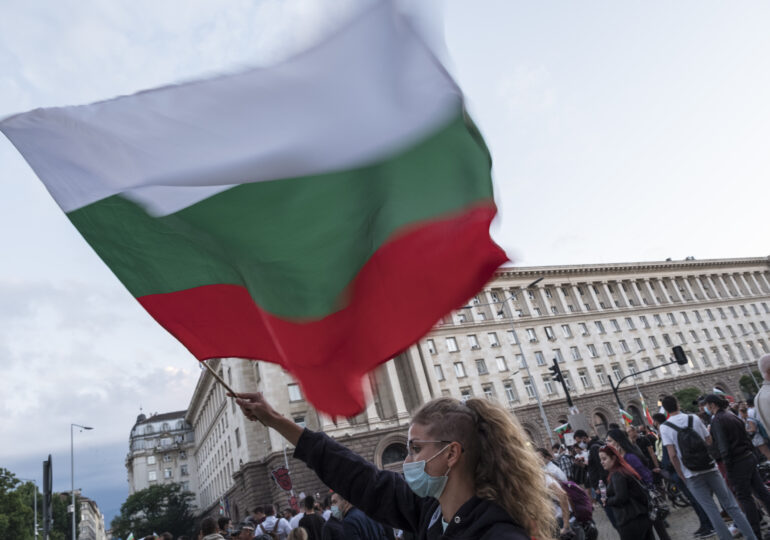
The elections come after the protests in December, sparked by accusations of chronic government corruption and the regression of the rule of law, which led to the downfall of the center-right coalition led by GERB, as reported by Politico.
Gurov, deputy governor of the central bank and member of the anti-corruption party "We Continue the Change," was appointed interim prime minister on February 11.
"What we want to do as a government is, for the first time, to protect the elections rather than manage them," he told Politico in an interview, referring to his neutral position in the election. "People can see that these elections are protected," he claims.
Prior to the parliamentary elections on April 19, the newly established "Progressive Bulgaria" party, founded by former left-wing President Rumen Radev, leads in polls ahead of veteran center-right leader Boiko Borisov.
National Campaign Against Vote Buying
In recent weeks, authorities have detained over 200 individuals as part of a national campaign against vote buying and coercion, including through social assistance programs such as heating aid and hot lunches for vulnerable individuals. In some cases, local officials, including post office managers, have misled voters by claiming that state benefits come from certain political parties.
A Russian citizen was also caught committing electoral fraud in Stara Zagora, central Bulgaria, through the local electoral commission, according to Gurov.
Separately, the Ministry of Foreign Affairs in Sofia established a temporary unit in March to coordinate its response to foreign interference and engaged investigative journalist Hristo Grozev, known for his previous work at the online investigative group Bellingcat, to advise the unit and seek EU assistance in countering Russian interference.
A Chronic Issue: Trust
The repeated elections indicate a deeper structural problem for Bulgaria: the collapse of trust in the political system.
According to the prime minister, successive coalition governments have focused more on maintaining power than on implementing reforms addressing the issues that the population protested against.
The right-wing dominance of Borisov's GERB party, which lasted a decade, collapsed in 2021, leading to a succession of unstable coalition governments, starting with an anticorruption reformist government and interim administrations - before GERB eventually returned to power in 2025, only to be overturned again by street protests.
However, despite the turmoil, Gurov insisted that Bulgaria remains a reliable partner in Western alliances, such as NATO, and a strategic player in the Black Sea security landscape.
Bulgaria Withdraws from Trump's Peace Council
The country honored its commitment to Ukraine when Gurov signed a 10-year security and defense agreement on March 30, to the disappointment of populist parties who argued that an interim government has no right to engage the country in such a pact.
"We cannot wait for the 'right moment' when it comes to security," said Gurov. The partnership with Kiev, he added, provides Bulgaria with opportunities to develop high-tech defense capabilities and dual-use for its own military.
The government also seeks to distance itself from what it considers politically motivated decisions - including Trump's Peace Council, from which Gurov withdrew the country. He argued that this move, made by the previous government, served the narrow political interests of Delian Peevski, the leader of the Movement for Rights and Freedoms - a New Beginning party, who is trying to evade sanctions imposed by the US Magnitsky Act based on allegations of bribery, media manipulation, and undue influence over the judiciary.