
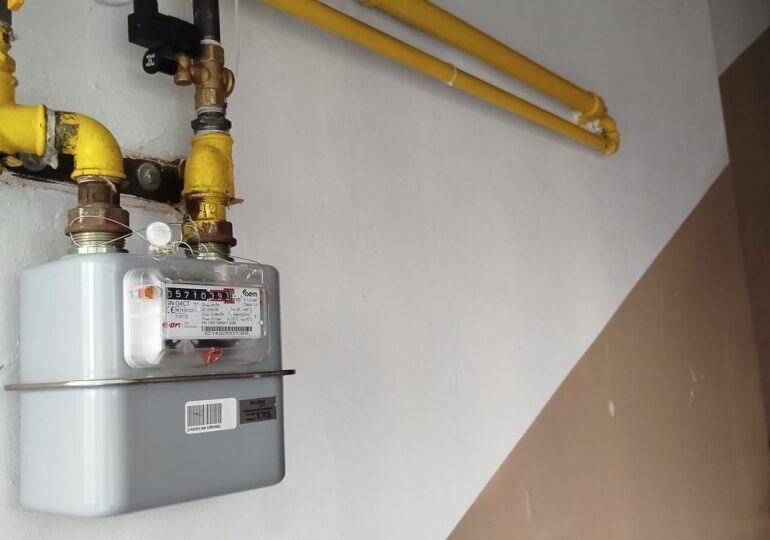
The National Energy Regulatory Authority (ANRE) has approved the new tariffs for natural gas distribution, which will come into effect on July 1.
For the majority of consumers, this measure will result in lower distribution service costs, as the weighted average tariff has been reduced by 7.1%. It decreases from 58.47 lei/MWh to 54.32 lei/MWh.
The decrease means that, for most customers, the distribution component included in the gas bill will be lower in the second half of the year.
However, ANRE President George Niculescu emphasized that the concrete impact on the bill varies from one consumer to another.
"For most Romanians, gas distribution costs less starting from July 1. For the next application period, the weighted average tariff decreases by 7.1%. This is an important development, especially in a context where energy costs remain a major concern for consumers and the economy," stated the head of ANRE.
He specified that the distribution tariff is just one of the components of the final bill, and the impact depends on the distribution operator, consumption category, gas quantity used, and other elements that form the final price.
The reductions come from the largest distributors
ANRE explains that the average decrease is mainly influenced by the reduction of tariffs practiced by the two major market operators, Distrigaz Sud Rețele and Delgaz Grid. These two companies together serve almost 90% of the total gas volume forecasted for distribution networks, namely 72.59 TWh.
The Authority states that the new decision aims to maintain a balance between financing infrastructure investments and protecting consumers.
"ANRE's role is to ensure that the distribution tariff is calculated transparently, predictably, and proportionally to the economic reality of each operator. We support investments in distribution infrastructure, but investments must be efficient, justified, and oriented towards better services for consumers," said George Niculescu.
Not all tariffs decrease
Although the national average indicates a reduction, the situation varies from one operator to another.
Out of the 27 licensed distributors, 13 will apply lower tariffs, while 14 will have higher tariffs compared to the previous period.
Four operators benefit from reductions of at least 10%, while six operators record increases of a minimum of 5%.
According to ANRE, the differences are determined by cost structures, investments made, and gas volumes transported through each network. "The impact felt by each consumer depends on the operator in their area and their own consumption profile. The approved tariffs do not include VAT and are differentiated by distribution operators and consumption categories, based on cost structures, forecasted volumes, and specific parameters of each operator," ANRE officials stated.