

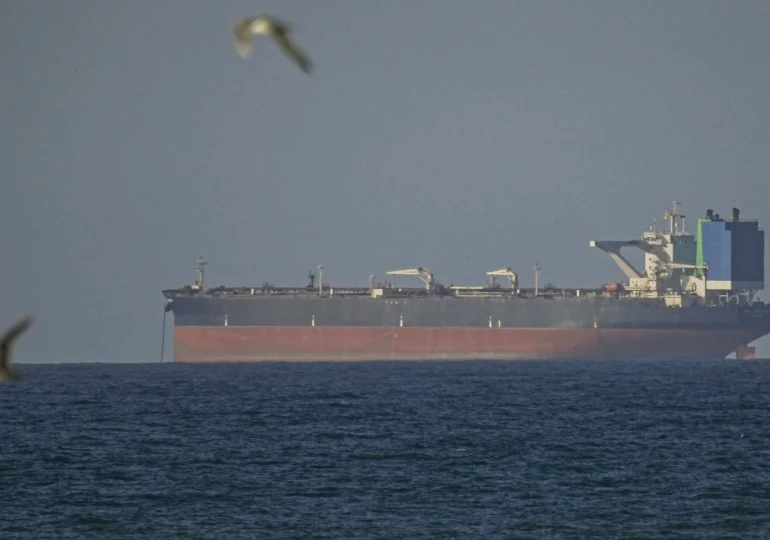
The first commercial ship successfully crossed the Strait of Hormuz under the protection of the U.S. military, as tensions between the United States and Iran continue to impact one of the world’s most important energy routes.
Danish company Maersk confirmed that its vessel, Alliance Fairfax, left the Persian Gulf on Monday, accompanied by U.S. military forces, after being stranded in the area since the beginning of the conflict in February.
According to the company, the ship was unable to depart when the war broke out and was evacuated only after the U.S. military provided escort.
Maersk stated that the crew is "safe and unharmed" and thanked the U.S. military for coordinating the operation.
The U.S. military command announced that two commercial ships managed to transit the strait on the same day, signaling the first results of the efforts to unlock the route.
Oil reacts: strong growth followed by corrections
Signals that traffic could resume immediately influenced the markets.
After strong increases on Monday – Brent crude oil surpassing $114 per barrel – prices began to decline slightly on Tuesday morning, amid moderate optimism regarding the resumption of transit through the strait.
Analysts warn, however, that volatility remains high, and any new incident could trigger further price hikes.
"Project Freedom," the U.S. attempt to reopen the strait
The ship's crossing comes in the context of the "Project Freedom" operation launched by the Donald Trump administration to allow commercial vessels to circulate through the Strait of Hormuz again.
The plan involves guiding vessels and selective interventions by the U.S. military, without large-scale naval escorts.
However, major shipping companies remain cautious and avoid resuming transit on a large scale without security guarantees.
Attacks on ships and strikes in the Emirates
The crossing took place after a day of intense confrontations in the region.
Several commercial vessels reported explosions and fires, and two were hit near the coasts of the United Arab Emirates. At the same time, an oil port in Fujairah was set on fire following a rocket or drone attack.
ADNOC confirmed that one of its tankers was targeted, and Emirati authorities described the situation as a serious escalation.
Dispute between Washington and Tehran regarding the attacks
The U.S. military announced that it destroyed several Iranian vessels that allegedly threatened commercial shipping.
Iran rejects the accusations and claims that the ships hit were civilian, with five people reportedly killed in the attack.
The conflicting versions make independent verification of the incidents on the ground challenging.
Harsh warnings and fruitless negotiations
Iranian Foreign Minister Abbas Araghchi stated that "there is no military solution to a political crisis" and criticized the American operation, which he referred to as "Project Deadlock."
Teheran warned that any foreign military force approaching the strait would be attacked, while international-mediated negotiations have yet to yield concrete progress.