
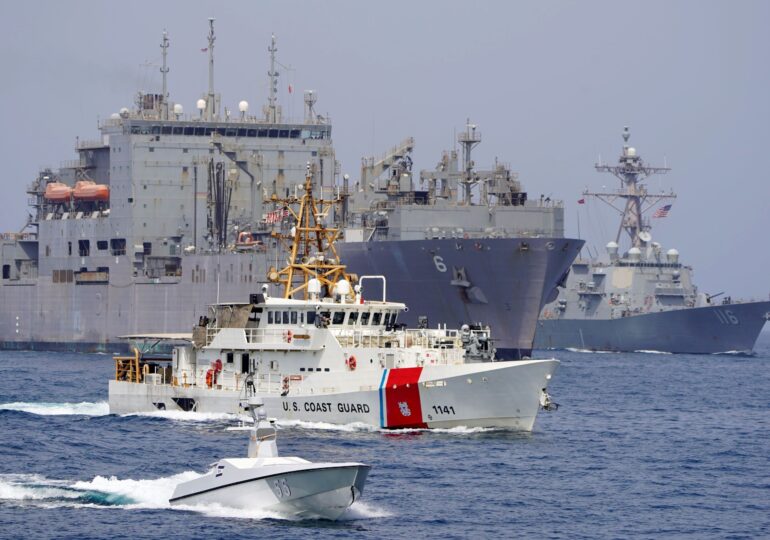
Iran insists it will continue to control the Strait of Hormuz, one of the most important maritime routes for global oil transportation, following the conclusion of a new round of negotiations with the United States held in Switzerland.
The discussions, which also included technical negotiations between experts, are part of the process initiated after the American-Iranian agreement aimed at ending the conflict in the Middle East. According to AFP, both parties believe they have made significant progress towards a final agreement.
Tehran: Hormuz will not be the same as before the war
The President of the Iranian Parliament and chief negotiator, Mohammad Bagher Ghalibaf, stated that the situation in the Strait of Hormuz will not return to the conditions existing before the war.
"The administration of the Strait of Hormuz will never return to what it was before the war," he said, as quoted by the official Irna news agency.
Under normal conditions, around 20% of the world's trade in oil and liquefied natural gas transits through the Strait of Hormuz, making any changes regarding the control of this route have major implications for energy markets.
Iranian assets worth $12 billion to be unfrozen
Iran announced that it has reached an agreement with the United States to unfreeze Iranian assets totaling $12 billion. According to Iranian Deputy Foreign Minister Kazem Gharibabadi, the funds will be released in two installments of $6 billion each.
Meanwhile, American Vice President J.D. Vance stated that Washington will monitor the use of these funds to ensure they are not used to finance terrorist activities.
U.S. temporarily suspends oil sanctions
Amid progress in negotiations, Washington has suspended sanctions targeting the Iranian oil sector.
The Treasury Department specified that all transactions related to the production, transportation, and sale of Iranian oil are authorized until August 21.
The signal sent to the markets was immediate. The price of Brent crude oil dropped below $78 per barrel, well below the levels of over $120 reached during the peak of the conflict.
Dispute over IAEA inspectors
One of the most sensitive issues remains the Iranian nuclear program.
J.D. Vance claimed that Tehran had agreed to allow the return of inspectors from the International Atomic Energy Agency to Iranian nuclear facilities. However, authorities in Tehran have not confirmed this information.
Inspections were suspended after attacks launched by Israel and the U.S. on Iranian facilities in June 2025. Since then, the international community has not had full access to information regarding Iran's stocks of highly enriched uranium.
Tehran continues to maintain that its nuclear program is solely for civilian purposes and rejects accusations that it seeks to develop a nuclear weapon.
Final agreement expected in the next two months
Negotiations between Iran and the U.S. will continue in working groups, with the support of mediators from Qatar and Pakistan. The goal is to draft a final document within 60 days, a deadline that can be extended if both parties deem it necessary.
Iranian Foreign Minister Abbas Araghchi stated that compliance with the ceasefire in Lebanon will represent the "first real test" of the future agreement between Washington and Tehran.