

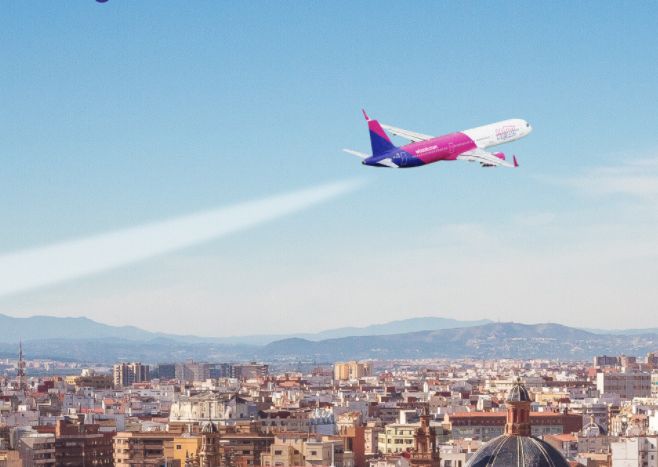
Wizz Air passengers will be able to browse the internet during flights using the Starlink satellite network. The airline announces that it will introduce the service across its entire fleet starting in 2027.
The operator thus becomes the first low-cost airline in Europe to offer internet access through the system developed by Elon Musk. Wizz Air has not yet specified the financial terms of the agreement with Starlink, writes Reuters.
A technology that rivals considered too expensive
The announcement comes at a time when more and more airlines are trying to enhance passenger experience through onboard connectivity services. So far, however, major European low-cost operators have been hesitant. Ryanair and EasyJet have warned in the past that implementing Starlink internet entails significant costs.
Ryanair's CEO, Michael O'Leary, estimated that using the system could cost his company up to $250 million annually, a sum that includes the additional fuel consumption generated by the necessary equipment.
Starlink expands into the aviation industry
Starlink, the satellite internet network developed by SpaceX, is already present on board several major airlines in the United States.
Among the operators that have signed agreements with Elon Musk's company are American Airlines, Southwest Airlines, United Airlines, and Alaska Airlines. The technology is also used by long-haul carriers such as Singapore Airlines and Emirates.
The system promises high-speed connections and superior coverage compared to traditional internet solutions currently used by many airlines.
Wizz Air bets on growth this summer
The announcement of introducing Starlink comes at a favorable time for the airline.
In May, Wizz Air stated that it expects to end the 2026 financial year at break-even or with a slight positive profit. At the same time, the operator reported a 26% increase in the number of passengers in May and anticipates higher revenues in the summer season.
The company believes that its generally lower pricing policy compared to the competition continues to attract customers despite economic uncertainties and geopolitical tensions arising from the conflict between Israel and Iran.