
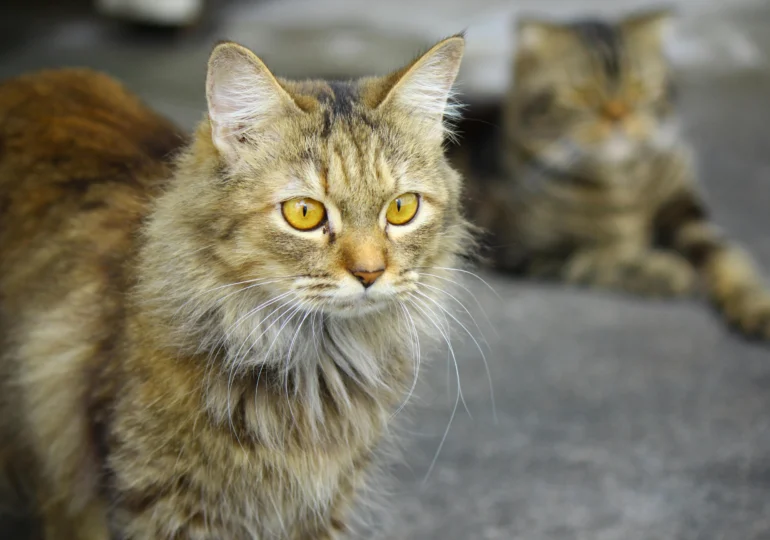
Cats have come to influence almost every corner of Japanese society – from literature and tourism to economy and cultural symbols. In Japan, there are more cats than dogs as pets, the imperial family raises felines, and Tokyo even has a district nicknamed „the city of cats.”
The phenomenon has become so widespread that economists have already given it a name: „catnomics” (cat economy).
A recent report estimates that cats will generate nearly 3 trillion yen this year – approximately $18.8 billion – for the Japanese economy through expenses related to food, accessories, themed cafes, books, souvenirs, and feline-inspired products, as reported by The Guardian.

Tokyo has its own "city of cats"
The influence of cats is especially visible in Yanaka Ginza, a district in northeast Tokyo, which has become a tourist attraction due to its historical connection with felines.
The windows and signs are decorated with cat images, stores sell sweets in the shape of cats, and tourists can create personalized seals with feline themes. Visitors purchase magnets, tableware, postcards, and other items inspired by the famous Japanese cats.
"There have always been cats in Yanaka because there are many Buddhist temples here. In the past, they used to roam everywhere and even enter people's houses, but now they are less visible. They prefer to stay inside on such a hot day," says Yumiko Yamashita, owner of the Neco Action store.
Cats also dominate Japanese literature
The global popularity of Japanese literature has turned cats into a true editorial marketing tool.
The phenomenon began over a century ago with Natsume Sōseki's novel I Am a Cat. Since then, cats have become recurring characters in the books of famous authors like Haruki Murakami.
Cats also appear in popular novels such as Hiro Arikawa's The Travelling Cat Chronicles or Takashi Hiraide's The Guest Cat. According to The Guardian, publishers often use cat images on covers even for volumes unrelated to animals, relying on their commercial appeal.
More cats than dogs
Japan is one of the countries with a strong culture of pets. Data from the Japan Pet Food Association shows that in 2025, Japanese households had 8.8 million cats and 6.8 million dogs.
The number of pets even exceeds that of children under 15 years old.
According to a survey cited by the British, a household with a cat spends an average of nearly 1.8 million yen – about $11,300 – over the animal's lifetime.
Economist Katsuhiro Miyamoto, an emeritus professor at Kansai University, says the economic impact of "catnomics" is comparable to that of the 2025 Osaka World Expo.

Why are cats so important in Japanese culture
Cats arrived in Japan during the Nara period (710-794) with Japanese envoys returning from China's Tang dynasty. Many were raised in Buddhist temples to protect religious manuscripts from rodents.
Over time, they acquired an almost mystical status in Japanese culture.
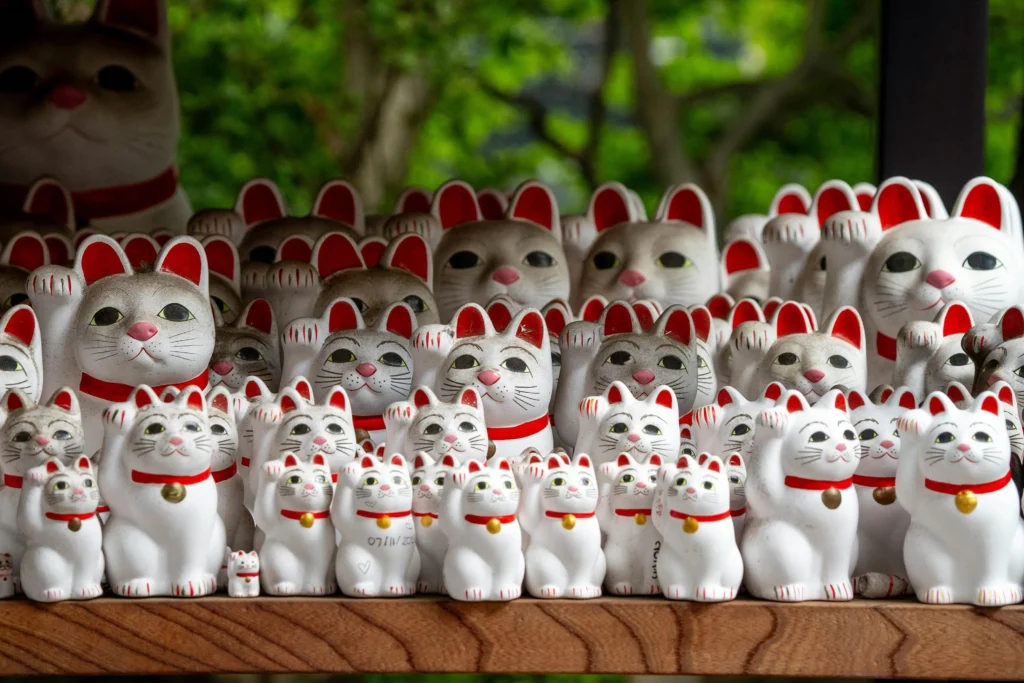
One of the most well-known images associated with Japan is the maneki neko – the beckoning cat statue believed to bring luck and prosperity.
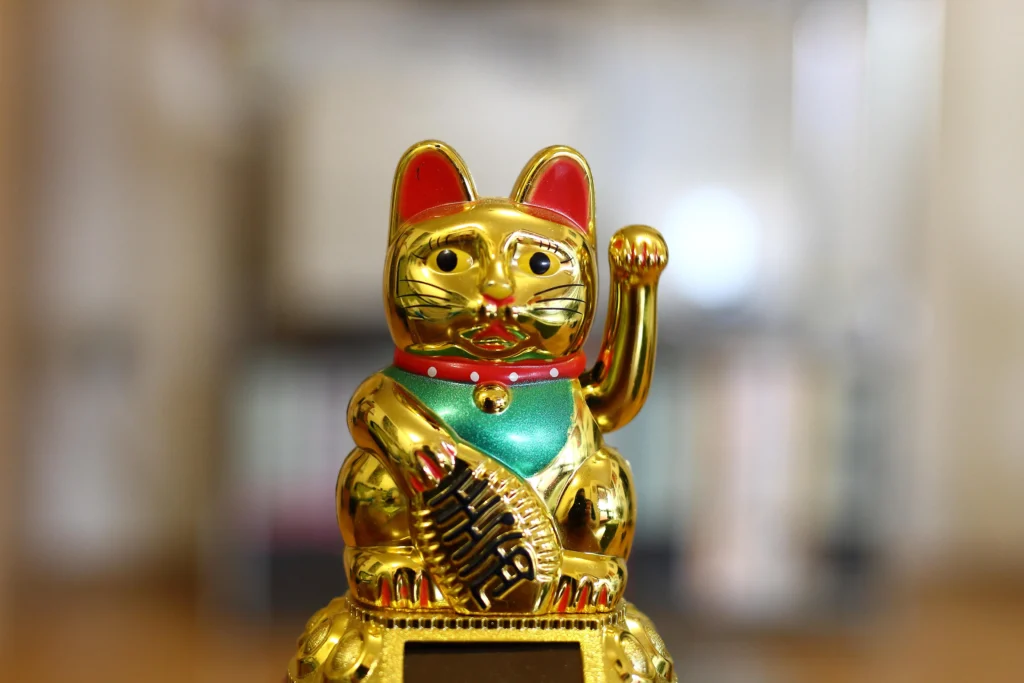
Legend has it that the symbol was inspired by an incident at the Gōtokuji temple in Kyoto. A feudal lord, surprised by a storm, approached the temple after a cat beckoned him with its paw, and moments later, lightning struck where he had initially sought shelter.
Today, maneki neko statues are ubiquitous in shops and restaurants in Japan.

A passion threatened by demographic crisis
However, the future of Japan's "feline empire" could be affected by one of the country's biggest issues: demographic decline.
As the population ages and the number of residents decreases, fewer Japanese may have the resources or availability to raise pets.
For now, though, Japan's cats continue to dominate popular culture and the economy in a country that seems to have turned them into a true national phenomenon.
G.P.