
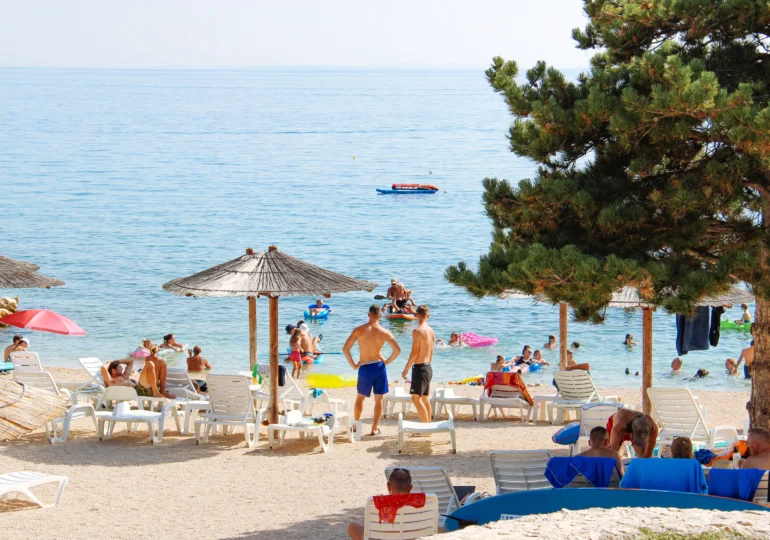
Almost all bathing areas monitored in Europe meet the quality and safety standards imposed by the European Union, as shown by the latest data on the state of waters for swimming.
Only a very small number of beaches, lakes, and rivers have been deemed unsuitable for bathing, while the majority have received good or excellent ratings.
According to a report published by Euronews based on data provided by the European Environment Agency (EEA), 96% of monitored areas meet the minimum quality standards, with only 1.5% falling into the "poor" category.
Cyprus, Greece, and Bulgaria Dominate the Ranking
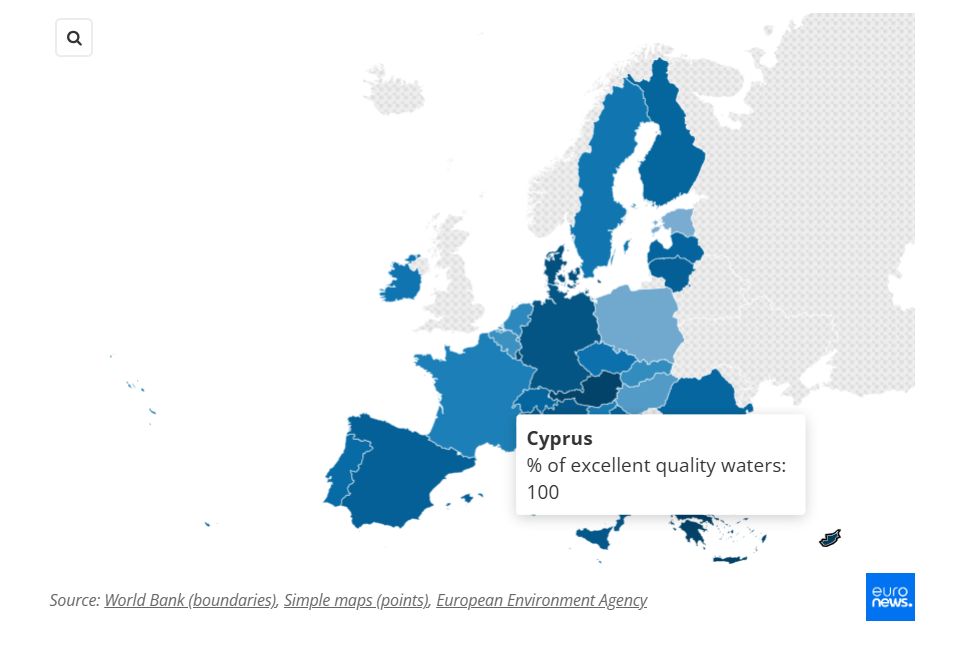
The best performance was recorded in Cyprus, where all monitored areas received the "excellent" rating.
Following closely are Greece, Bulgaria, and Austria, all with over 96% of waters classified at the highest quality level.
Regarding lakes and rivers, the leaders are Austria and Finland, where approximately 95% of inland waters have been classified as excellent. The top is completed by Denmark, Luxembourg, and Germany.
Romania, Above the Average of Many European Countries
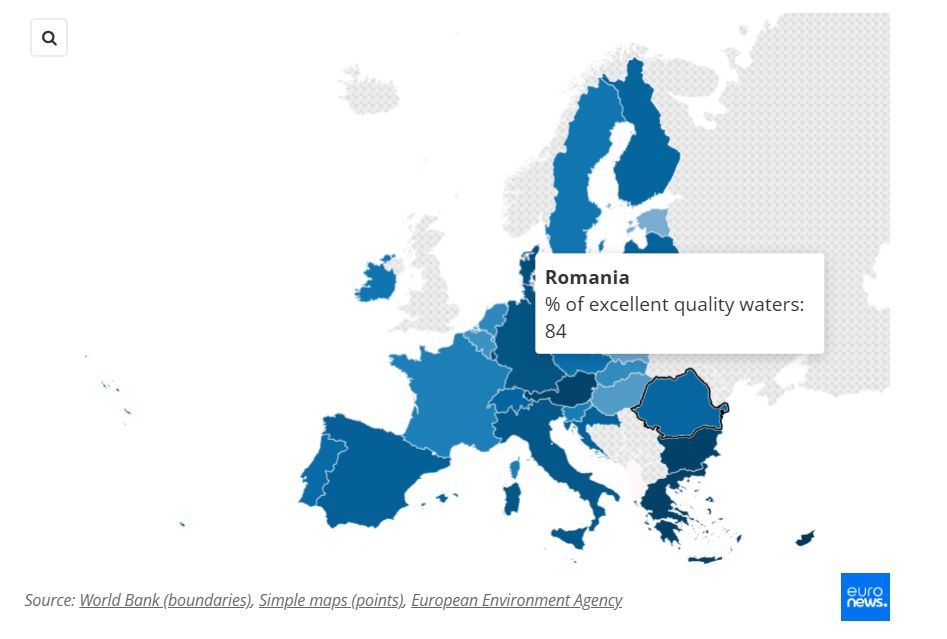
Romania ranks high in the European classification. 84% of monitored bathing areas in our country have been classified as excellent.
This result places Romania ahead of countries like France (74.4%), Belgium (67.9%), Poland (68.7%), Hungary (64%), or Estonia (56.9), confirming that the monitored coastlines and recreational areas generally offer good conditions for swimming.
At the European level, the average of waters considered excellent is around 85%, meaning that Romania is very close to the continental average and above many countries in Western and Central Europe.
Coastal Waters Are Cleaner Than Lakes and Rivers
Data shows that bathing areas by the sea have better results than those on lakes and rivers.
Approximately 88% of bathing areas on the coastlines of EU member states have been classified as excellent, compared to 78% of those on lakes and rivers.
The explanation lies in the natural characteristics of inland waters. Many of these are small lakes, ponds, or rivers with low flow rates, which are more vulnerable to pollution episodes caused by heavy rains, drought, or agricultural activities.
Albania and Spain Among the Laggards
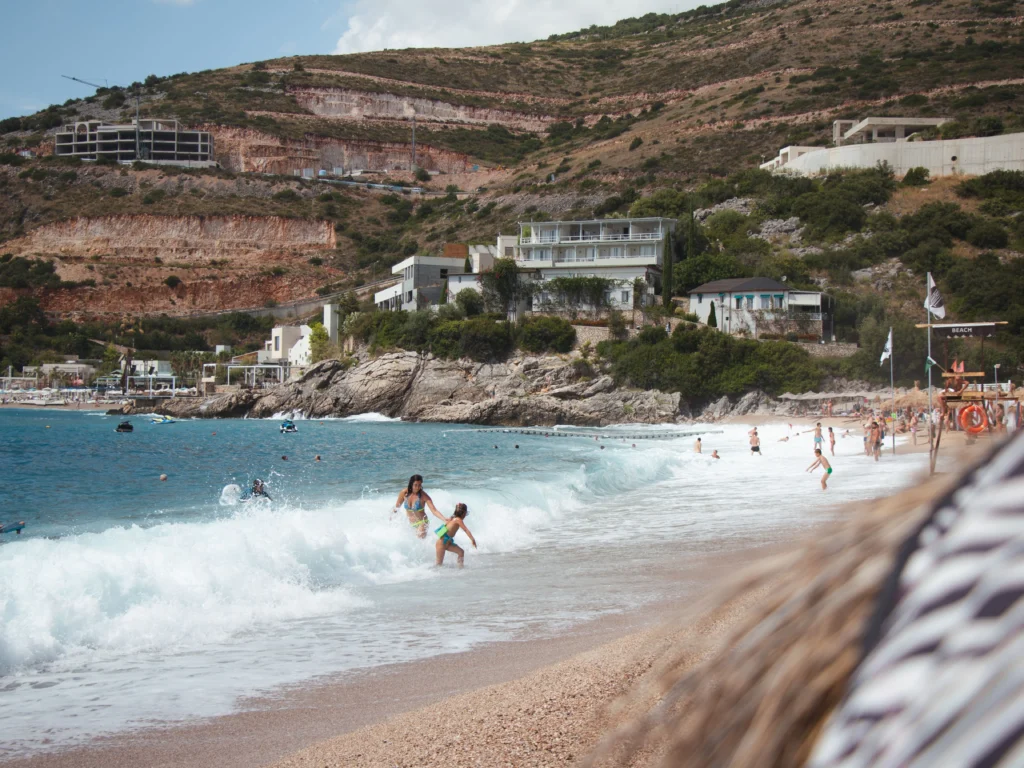
At the opposite end is Albania, which recorded the lowest percentage of waters considered excellent in Europe, only 16.8%.
In the category of countries with poor results, we also find Estonia, Poland, Hungary, and Belgium, all with less than 70% of monitored waters classified as "excellent."
When looking specifically at lakes and rivers, the worst situation was identified in Spain. Over 11% of monitored inland waters were classified as "poor," with just over half receiving the maximum rating.
Rivers Remain the Biggest Challenge
Data shows that rivers continue to be the most vulnerable to pollution. Only 47% of the approximately 1,200 bathing areas set up on rivers in Europe have been classified as excellent.
Experts attribute this situation to rapid urbanization, industrial legacy, pollution from agriculture, and runoff following heavy rains.
Nevertheless, the European Environment Agency emphasizes that the situation has steadily improved in recent decades, and in many European cities, swimming in rivers has become possible again after years when it was inconceivable.
What Risks Exist in Polluted Waters
The water quality is assessed based on the level of bacteria indicating fecal contamination, such as E. coli and intestinal enterococci.
Exposure to contaminated waters can cause digestive disorders, diarrhea, as well as infections of the ears, eyes, or respiratory tract, warn European experts.
G.P.