
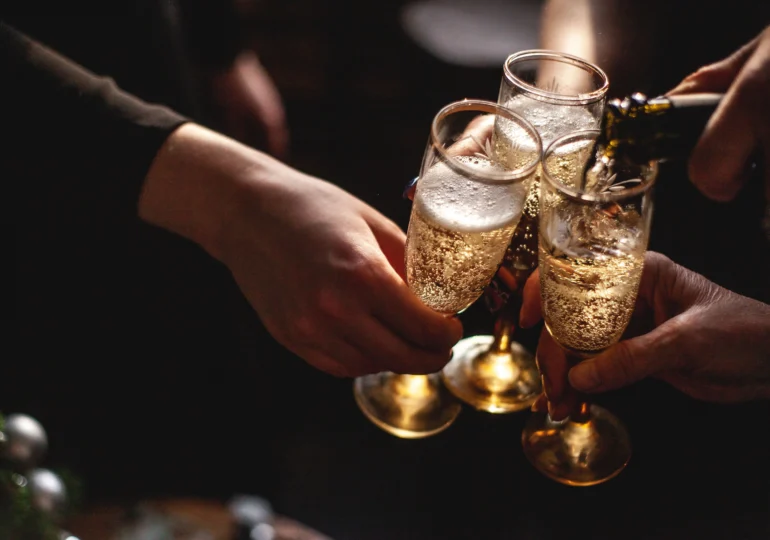
The heatwaves that hit France this summer hastened the ripening of grapes in the Champagne region and raised sugar levels to unusually high levels. For the first time, authorities allowed some producers to obtain wines with an alcohol concentration of up to 15%, compared to the usual limit of 13%.
The measure is temporary and will only be used by a small number of winegrowers, as reported by France 24.
The extreme temperatures accelerated the accumulation of sugar in grapes. During fermentation, sugar turns into alcohol, so sweeter grapes naturally produce wines with a higher alcohol concentration.
David Chatillon, co-president of the Champagne Committee, stated that the exception will only be used by a small number of producers. On average, grapes harvested this year would typically produce a wine with less than 12% alcohol through fermentation.
Bottled Champagne usually has between 12% and 12.5% alcohol and cannot usually exceed 13%. The exception granted this year raises the limit to 15%. However, the exception does not mean that all bottles of Champagne will have 15% alcohol. It only allows producers whose grapes have accumulated a lot of sugar to continue using them without violating the strict rules of the Champagne appellation.
The earliest harvest in history
Grape harvesting began this year as early as August 6, the earliest date ever recorded in Champagne. Harvesting spread throughout the region starting on August 17, about two weeks earlier than in 2025, when work had already started unusually early.
In some vineyards, the progress was so rapid that producers interrupted their holidays, and seasonal workers were called in earlier, according to Reuters.
Climate change could turn such harvests into a common occurrence.
"This unusual harvest will probably become the norm in the next 10-15 years," warned Maxime Toubart, co-president of the Champagne Committee. In his opinion, the weather trends should prompt producers to start thinking about the 'champagne of tomorrow' from now on.
Heat and drought not only affect the strength of the wine. High temperatures reduce the acidity of grapes, essential for the fresh taste and light character of Champagne. Producers may need to adapt the grape varieties grown and the methods used without deviating from the strict rules of this protected appellation.
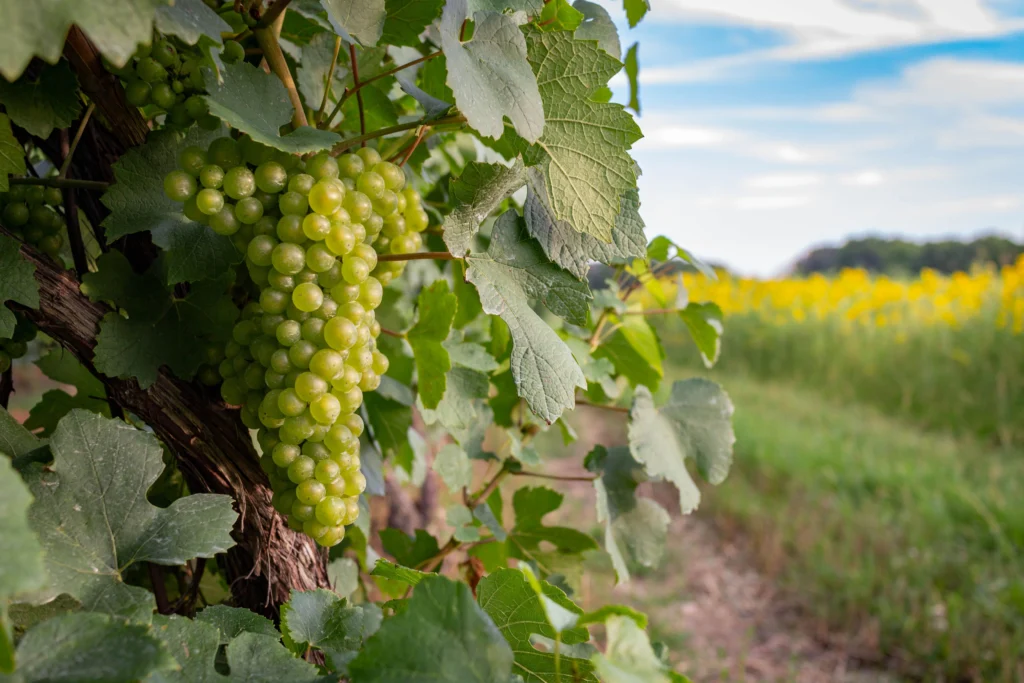
Fewer grapes, but of very good quality
Production in the Champagne region is expected to decrease by about 49% compared to last year, following spring frosts, heatwaves, and drought. To compensate for the reduced harvest, major houses will be able to use wines stored from years with better yields. Champagne is usually obtained by blending wines from different harvests.
However, the quality of grapes this year is considered very good. They have ripened well, and the vines have been spared from mold. "The harvest already has all the necessary characteristics to produce excellent wines, perhaps even exceptional ones," conveyed the Champagne Committee.
France, the world's second-largest wine producer after Italy, is preparing for one of the smallest wine productions in the last 30 years. The Ministry of Agriculture estimates a volume of 33.9 million hectoliters, 6% lower than in 2025 and 17% below the average of the last five years.
G.P.