
The European Union will create a climate insurance system to expand coverage against extreme weather events, following a summer marked by drought, wildfires, and heatwaves across the continent.
Climate change has turned Europe into the fastest-warming continent in the world, with temperatures rising twice as fast as the global average.
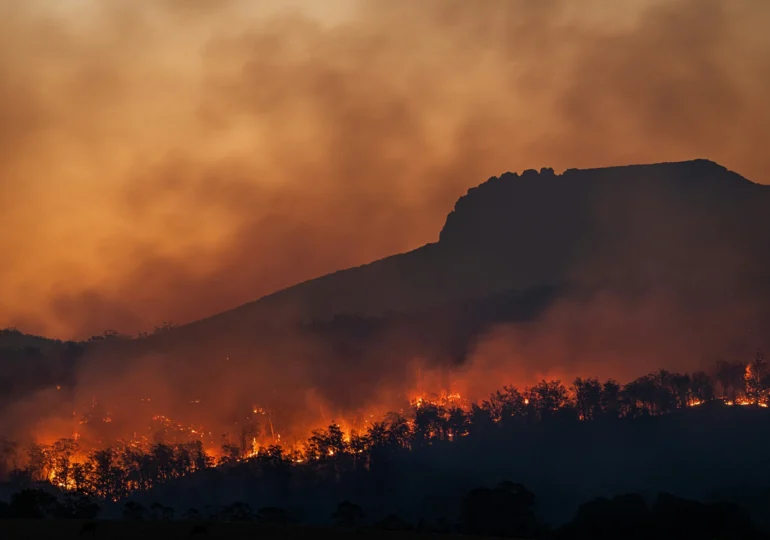
This year's wildfire season has been one of the most severe ever recorded in Europe, and a series of heatwaves have caused dozens of deaths, disrupted energy supply, reduced productivity, and led to school closures.
According to EU data, only a quarter of climate-related economic losses within the bloc are covered by insurance.
The new initiative is expected to bring together insurers, investors, risk modeling experts, public authorities, and insurance beneficiaries to collaborate on increasing insurance coverage, as reported by Reuters.
"All too often, national budgets end up being the insurer of last resort. We must act to close this gap," said European Commission President Ursula von der Leyen in her State of the Union address delivered yesterday at the European Parliament.
The alliance will identify and promote tools capable of reducing risks, such as group insurance or parametric insurance, where payments are triggered automatically when predefined thresholds are exceeded, such as precipitation levels or temperatures.
Ursula von der Leyen also announced other proposals:
- a strategy on "climate resilience" – scheduled for October – concerning the management of climate risks in 100 vulnerable European territories;
- a plan on heatwaves aimed at improving early warning systems;
- an EU plan on water resources to enhance drought risk management.
Meanwhile, Brussels has asked experts from firefighting services to come up with proposals for more efficient management of wildfires, including the possibility of the EU establishing its own intervention fleet.
Although the EU has an ambitious policy framework for reducing greenhouse gas emissions causing climate change, progress has been slow in preparing for the impact of global warming.
Independent EU climate advisors warned in February that Europe is investing insufficiently in adapting to climate change and called for action, including better planning to avoid building homes in flood-prone areas and designing cities to help the population cope with high temperatures during heatwaves.
T.D.