
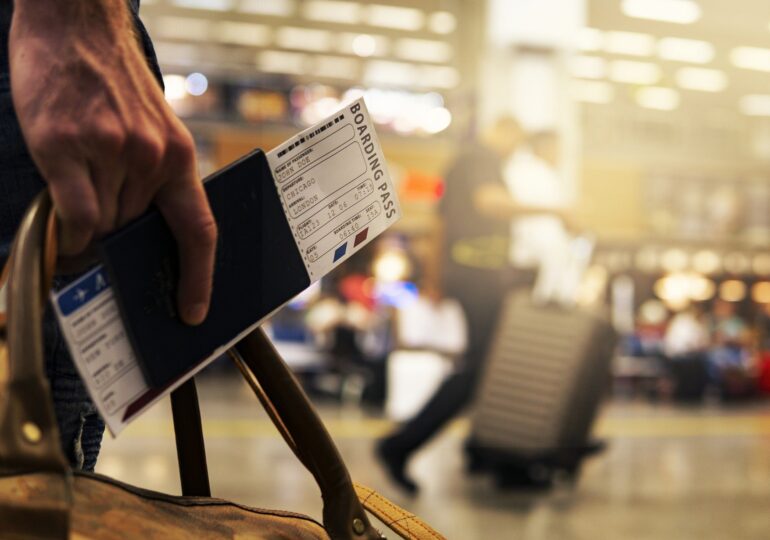
Airlines worldwide could save tens of billions of dollars following the drop in oil prices triggered by the recent agreement signed by the US and Iran. However, for passengers, the good news might stop here: industry analysts say that the cheaper fuel may not automatically translate into cheaper airfares.
According to an analysis by Reuters, airlines are more interested in rebuilding their profit margins affected by the months when fuel costs skyrocketed due to tensions in the Middle East. Only after these losses are recovered could fare reductions appear.
First profits, then reductions
The American airline industry offers the clearest example of how this mechanism works. In recent months, companies have raised ticket prices and baggage fees, but these increases have not fully covered the rise in fuel costs.
The price of jet fuel in the US dropped from $4.88 per gallon at the beginning of April to around $2.85 per gallon on June 17. If the current level is maintained, the annual bill for fuel in the American industry could decrease by over $40 billion.
However, industry data shows that between January and May 2026, fuel costs increased over three times faster than passenger fares.
Companies have not yet recovered their losses
Estimates from Deutsche Bank show that American airlines have only managed to pass on about 60% of the additional costs generated by fuel to customers.
The situation varies from one company to another. Alaska Air has recovered only a third of the cost increase, while Delta Air Lines, United Airlines, and American Airlines have managed to cover between 40% and 50% of the additional expenses.
United Airlines CEO Scott Kirby stated that the carrier is close to fully recovering costs and estimates that this goal could be achieved by the end of the year.
Currently, tickets for domestic flights booked a week in advance are over 34% more expensive in the US than a year ago.
Europe and Asia, different developments
Analysts say that the effects of cheaper fuel will vary from region to region.
In Europe, long-haul flight tickets could start to become cheaper before short-haul flights, as airlines have been more efficient in passing on the additional fuel costs to passengers. On the other hand, on short-haul flights, fares could remain high if demand for travel remains strong.
In Asia, intense competition puts pressure on operators and limits the ability to maintain high prices in the long term. Instead, companies in Hong Kong and some in the Middle East are considered among the main beneficiaries of the current situation.
Why a price war is not announced
Experts point out that the airline industry offers fewer seats today than in previous periods of cheaper oil. Delays in aircraft deliveries, airport restrictions, and challenges faced by several low-cost carriers limit companies' capacity to quickly increase supply.
In the United States, the number of available seats on domestic flights is estimated to increase by only 0.4% in the third quarter, well below forecasts made before the escalation of the conflict in the Middle East.
In these conditions, airlines have more power to maintain current fare levels and fewer reasons to trigger aggressive price competition through reductions.
What it means for passengers
Analysts conclude that the cheaper oil does not automatically guarantee cheaper airfares. The evolution of fares will primarily depend on travel demand and the airlines' ability to maintain current price levels.
In other words, even if the agreement between Washington and Tehran reduces fuel costs, passengers may have to wait to see the effects on ticket prices. In many cases, these effects may not materialize at all if demand for flights remains high.