
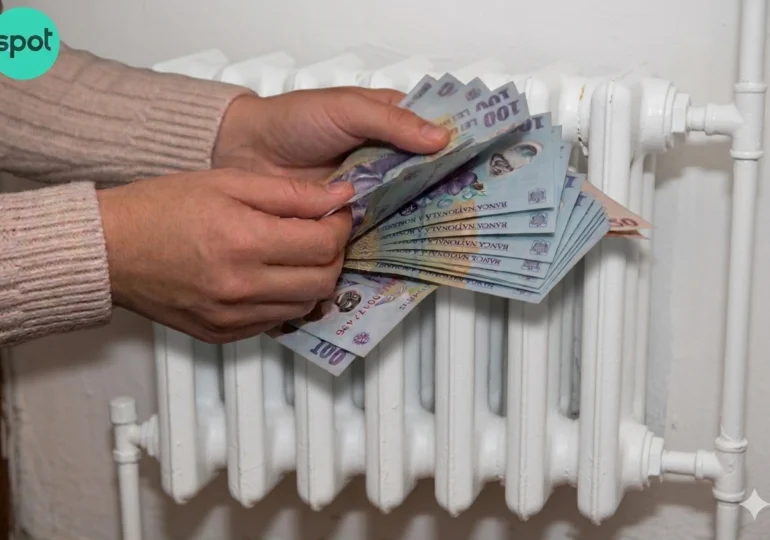
The European Union does not expect energy supply issues this winter, but Europeans could face „very high” prices for oil and gas, warns European Commissioner for Energy, Dan Jorgensen.
„There is no doubt that we are heading towards a difficult winter,” Jorgensen stated on Tuesday at the Energy Ministers’ meeting of the member states held in Dublin, according to AFP.
The warning comes against the backdrop of the energy crisis caused by the war in the Middle East and the rising fuel prices.
"In a normal winter, almost 50 million people in Europe cannot adequately heat their homes. The upcoming winter could be even more challenging. Therefore, we are taking the situation very seriously, not to mention our industry, which is also under pressure," the European Commissioner said.
Over 100 billion euros, the cost for European consumers
Jorgensen also provided an estimate of the cost the energy crisis has already had on Europeans. The increase in energy prices caused by the war in Iran has cost EU consumers over 100 billion euros so far, the Commissioner stated, according to dpa.
"This, of course, shows us how bad it is for us to be dependent, how unsustainable it is to rely on energy sources from other parts of the world," Jorgensen said.
Another cause for concern is Europe's supply of diesel. The Director of the International Energy Agency (IEA), Fatih Birol, warned in Dublin that Europe is one of the most exposed regions, as it imports very large quantities of diesel and the winter season is approaching.
Jorgensen also mentioned the possibility of the United States restricting diesel exports, an idea considered by President Donald Trump amid price increases. The European Commissioner stated that he has conveyed to Washington that maintaining as free a flow of energy as possible is in the interest of both parties and expressed satisfaction that U.S. Energy Secretary Chris Wright rejected the export ban.
EU could temporarily relax some rules
In an attempt to alleviate market pressure, Dan Jorgensen proposes postponing by one year the application of certain European provisions regarding methane emissions associated with oil and gas imports.
The European methane regulation stipulates that starting in January 2027, gas and oil importers in the EU must monitor and report the methane emissions associated with their supply. The goal is to reduce methane leaks in the energy sector.
Jorgensen suggests that the implementation of these obligations be postponed until 2028, a measure he says would contribute to "easing market tension."
However, such a change cannot be decided solely by the European Commission. The postponement must be approved by the member states and the European Parliament.
Macron also requested postponement
The proposal comes after French President Emmanuel Macron recently sent a letter to the President of the European Commission, Ursula von der Leyen, requesting changes to certain European regulations in the context of rising fuel prices.
Among his requests is the postponement by one year of rules regarding methane emissions, a highly polluting greenhouse gas.
The regulation is contested by several fossil fuel-producing countries, especially the United States. They consider the new obligations too burdensome and argue that their implementation could affect exports to the European market.
Environmental organizations, however, oppose the idea of postponement. They argue that delaying the regulation's implementation would not lead to lower energy prices and would represent a further step back in the EU's climate policy.