
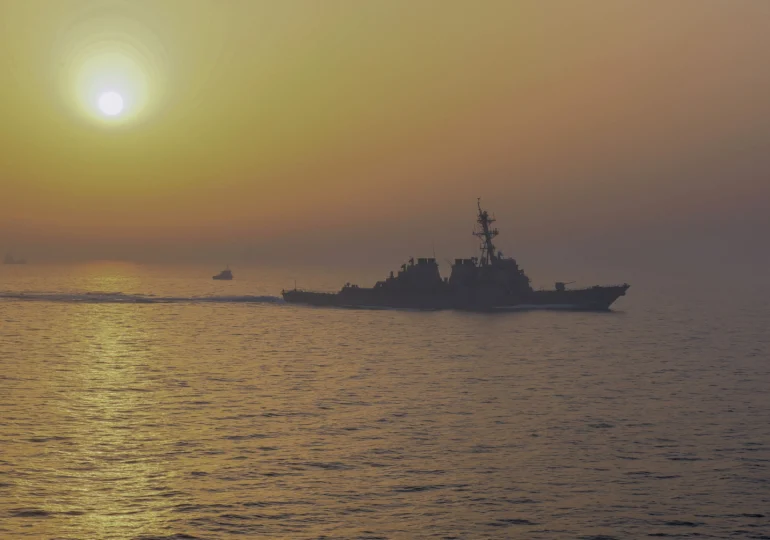
The Strait of Hormuz, one of the most important strategic points on the planet, is not just a vital corridor for global oil trade, but also the result of a spectacular geological process that began tens of millions of years ago.
The publication National Geographic shows that the same force that created this essential maritime route also generated the oil riches of the region.
A critical point for the global economy
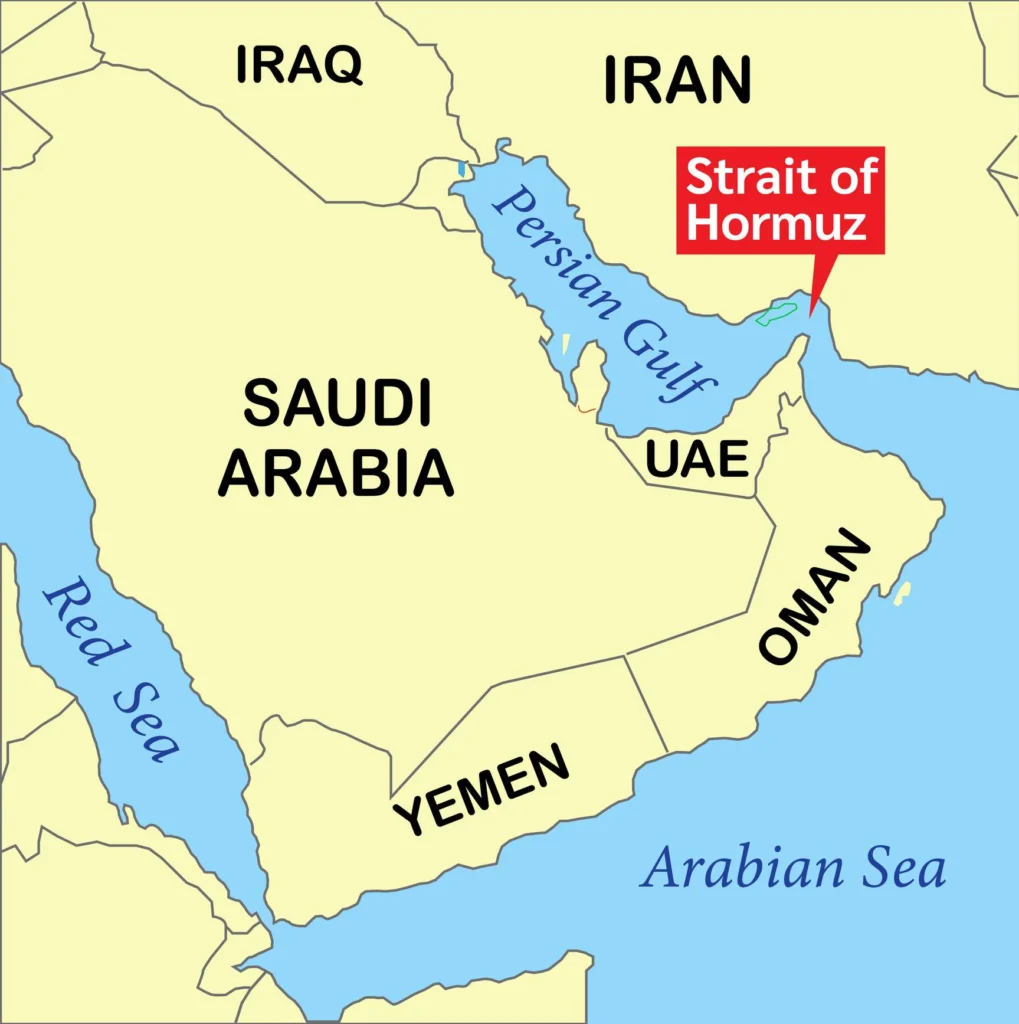
Approximately a quarter of the world's maritime oil transport passes through the Strait of Hormuz, a strip of water about 50 kilometers wide that connects the Persian Gulf to the Gulf of Oman. It is precisely this narrowness that makes it a vulnerable point, where any blockade can have immediate effects on global markets.
Its strategic importance has become even more evident in the context of recent tensions in the Middle East, when the risks of disrupting traffic have reignited fears related to energy supply.
The collision that changed the world map
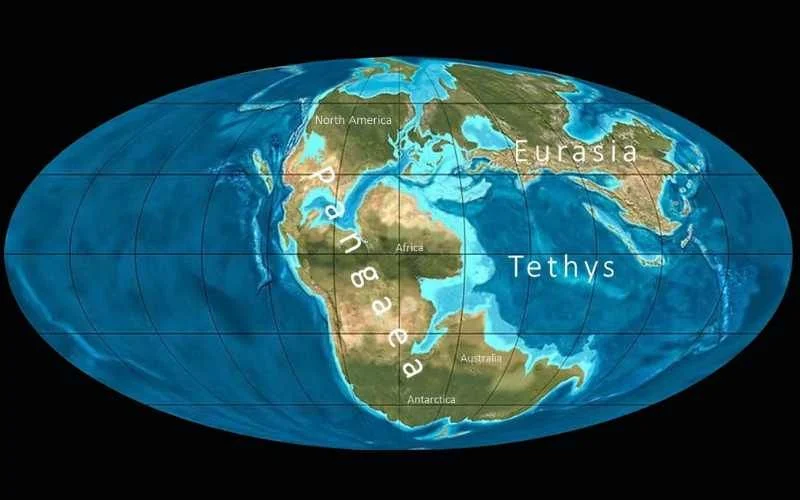
It all began about 35 million years ago when the Arabian tectonic plate collided with the Eurasian plate. Between them was the Tethys Ocean, a vast marine basin that has since disappeared.
As the Arabian plate was pushed under the Eurasian plate in a process called subduction, the two continental masses "wrinkled," like cars colliding head-on. The result is visible today in the Zagros Mountains range in Iran.
At the same time, the weight of these mountains pressed on the Arabian plate, creating a depression that led to the formation of the Persian Gulf and, consequently, the Strait of Hormuz.
Why the region is so rich in oil
The same geological processes have made the area one of the richest in energy resources in the world. For hundreds of millions of years, before the continental collision, the Arabian plate was underwater, in an ideal environment for oil formation.
Remains of marine organisms accumulated on the ocean floor, covered by sediments. Under pressure and high temperatures, these deposits transformed over millions of years into hydrocarbons.
Thus, geology not only shaped the region's landscape but also determined its central role in the global economy.
A rare landscape on the planet
The Strait of Hormuz is also an open-air geological laboratory. In the Musandam Peninsula in Oman, the steep rocks and flooded valleys offer a spectacular landscape, as well as rare evidence of the Earth's geological past.
Here, ophiolites can be observed – rocks that normally lie deep beneath the oceanic crust but have been brought to the surface by tectonic movements. Specialists consider them some of the best-exposed formations of this kind in the world.
![Cruising Musandam Fjords in Oman: Dolphins & Scenic Views [Amazing Places 4K]](https://i.ytimg.com/vi/L7ih9UVubRI/0.jpg)
The geography that dictates politics
The same geological structure that created this unique area also makes it extremely vulnerable. The narrowness of the strait and the global dependence on oil flow turn any regional tension into an international issue.
Analyst Tim Marshall, author of the book "Prisoners of Geography," sums up this reality: even the most powerful armies are limited by geography.
In the case of the Strait of Hormuz, nature not only shaped the terrain but continues to influence the balance of power on a global scale.
G.P.