
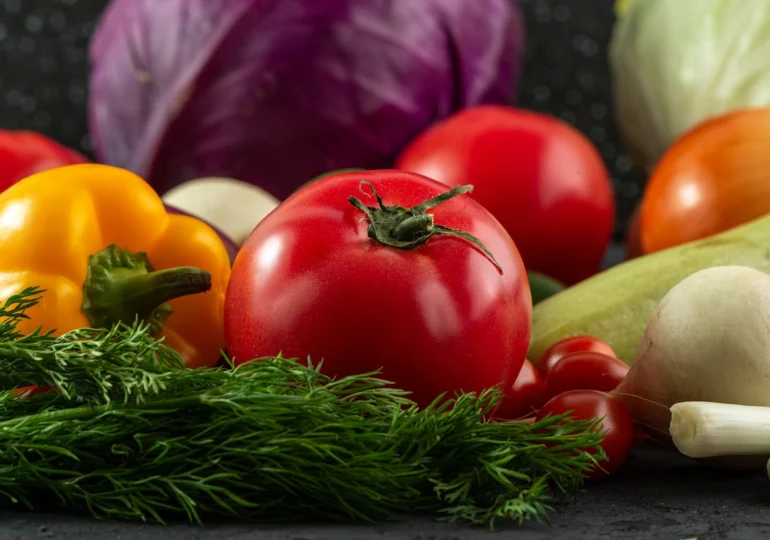
Scientists studying an increase in lung cancer incidence among young non-smokers have discovered a link between diet and environmental factors.
A diet rich in fruits, vegetables, and whole grains is considered healthy and forms the basis of disease prevention. However, new research conducted at USC Norris Comprehensive Cancer Center suggests that the connection between fruit and vegetable consumption and health may be more complex, as reported by SciTechDaily.
Conclusions presented at the annual meeting of the American Association for Cancer Research indicate that non-smoking Americans under 50 who follow diets rich in fruits and vegetables may have a higher risk of developing lung cancer.
What is the explanation
Exposure to pesticides could explain this increase in cancer cases, as indicated by oncologist Jorge Nieva, a lung cancer specialist at USC Norris. According to him, fruits, vegetables, and commercially produced whole grains (non-organic) tend to contain higher pesticide residues than dairy, meat, and many processed foods.
He also noted two important aspects:
- Farmworkers regularly exposed to pesticides often have higher rates of lung cancer, supporting this hypothesis.
- Youthful non-smoking women are more frequently diagnosed with lung cancer than men and tend to consume more vegetables and whole grains.
“Our research shows that younger non-smokers who consume a higher amount of healthy foods than the general population are more likely to develop lung cancer. These counterintuitive findings raise important questions about an unknown environmental risk factor for lung cancer, linked to beneficial foods, that needs to be addressed,” said Nieva, lead author of the study.
A new epidemic of lung cancer
Lung cancer traditionally affected older adults, with an average onset age of 71, and was more common in men and smokers.
As smoking rates have declined since the mid-80s, overall lung cancer cases in the United States have decreased. An exception has emerged among non-smokers aged 50 and younger, especially women, who are now more susceptible than men to developing the disease.
To better understand this change, researchers launched the Young Lung Cancer Epidemiology Project and surveyed 187 patients diagnosed with lung cancer by the age of 50. Participants shared data on demographic characteristics, diet, smoking history, and diagnosis.
What the researchers aimed for
Most participants had never smoked and developed a form of lung cancer biologically different from smoking-related cases. A 2021 study found that lung cancer subtypes in individuals under 40 differ from those observed in older adults.
Researchers assessed diet quality using the Healthy Eating Index (HEI), which rates the overall diet on a scale from 1 to 100. Young non-smoking patients had an average score of 65, compared to the U.S. average of 57. Women in the study generally scored higher than men.
These patients also reported consuming more fruits, vegetables, and whole grains than the general population. On average, they consumed 4.3 daily servings of dark green vegetables and legumes and 3.9 servings of whole grains, compared to 3.6 servings of dark green vegetables and legumes and 2.6 servings of whole grains among U.S. adults.
The research doesn't stop here
Nieva emphasized that the possible link between pesticide exposure and lung cancer, especially in young individuals and women, requires further studies.
Scientists did not directly measure pesticide levels in foods. Instead, they estimated exposure using published data on average pesticide levels in food groups such as fruits, vegetables, and cereals.
The next step is confirming the link by measuring pesticide levels in patients' blood or urine. This approach could also help determine if certain pesticides pose a higher risk than others.
T.D.