
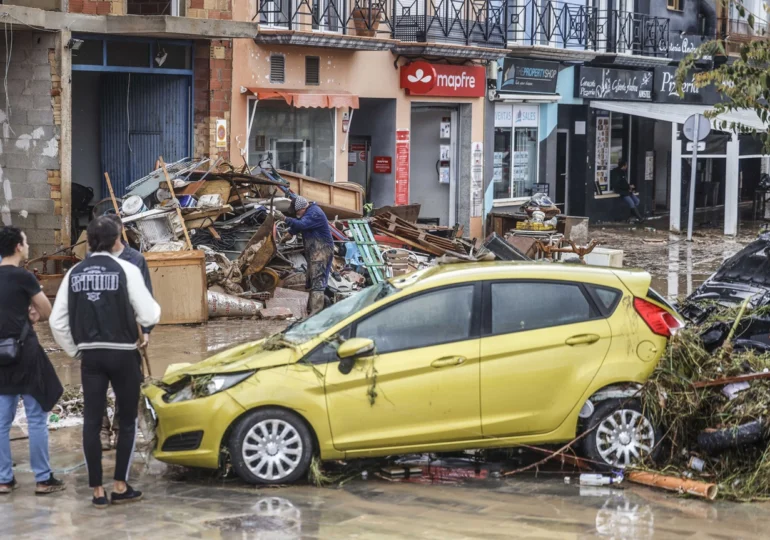
In 2025, an average of one climate disaster occurred per day. Among the 20 most affected countries worldwide were Spain, France, Italy, and Romania.
According to the Climate Risk Index (CRI) 2027 report, last year, there were 367 extreme weather events recorded worldwide. These caused nearly 35,000 deaths, but the actual number is very likely much higher, as heat-related deaths are significantly underreported in poorer countries, reports Euronews.
The extreme weather events of 2025 affected over 100 million people and caused direct economic losses exceeding 158 billion US dollars (143 billion euros).
Jamaica, Sri Lanka, and Spain were the countries most affected by extreme weather events in 2025, followed by Thailand, the Philippines, and Pakistan.
Global Top 10 Countries Affected by Extreme Weather in 2025
- Jamaica
- Sri Lanka
- Spain
- Thailand
- Philippines
- Pakistan
- Indonesia
- Bolivia
- Mozambique
- Vietnam
Within the top 20 are three European countries - France (rank 13), Italy (rank 15), and Romania (rank 19).
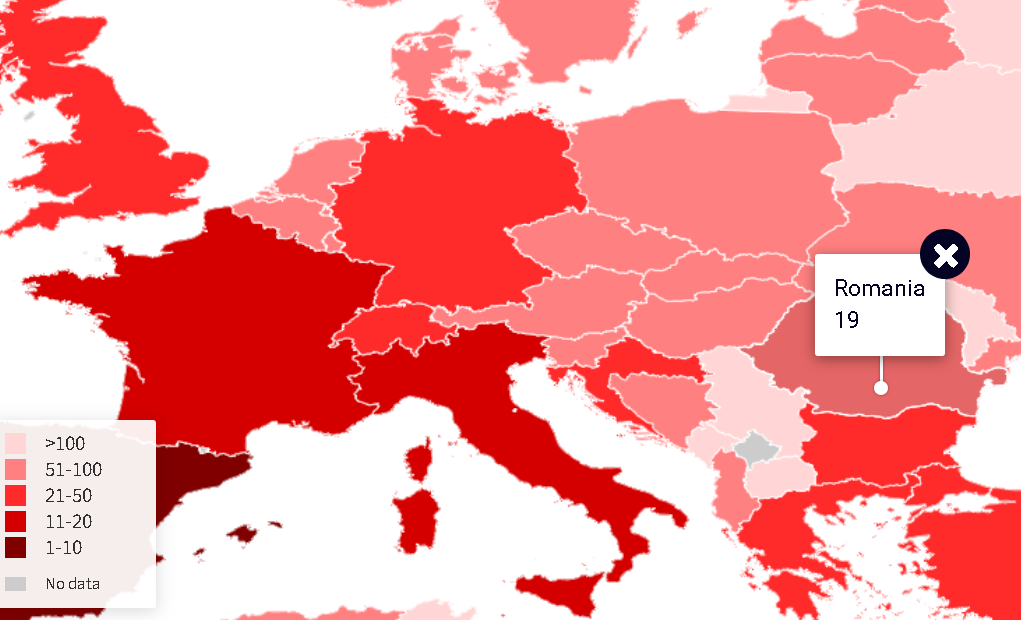
Analysis over the last 30 years shows that 900,000 people have lost their lives due to extreme weather events. These events caused direct economic losses totaling over 4.7 trillion US dollars (4.2 trillion euros) – an amount nearly equivalent to Germany's current GDP.
From 1996 to the present, the period covered by the cited study, wealthy countries such as Spain, France, and Italy have become much more vulnerable to lethal weather phenomena.
Why Spain Was So Severely Affected
The Iberian country was hit by seven extreme weather events in 2025. Some of these:
- The hottest summer in Spain's history - The most severe extreme weather episode in Spain was a heatwave that lasted from April to September, during which temperatures reached 46°C. It officially caused 3,900 deaths, but it likely contributed to many more fatalities. The summer of 2025 was the hottest ever recorded in Spain – with an average of 2.1°C above the 1991-2020 period average – a record that was later surpassed in 2026.
- The worst wildfire season in the last three decades - An exceptionally dry spring in western Spain, followed by a heatwave that eliminated any trace of moisture from dense and dry vegetation, made 2025 the worst wildfire season in Spain in the last three decades. The European Forest Fire Information System (EFFIS) estimated that 382,607 hectares burned – an area approximately 1.5 times larger than Luxembourg. The fires devastated Galicia, Asturias, Castilla y León, and Extremadura.
- Storm Alice, the costliest weather episode - This event caused economic losses of 100 million dollars (91 million euros) and affected over 1,000 people. Alice triggered a weather phenomenon known as DANA, which occurs when a very cold polar air mass detaches from the high-altitude air current (about 9,000 meters) and moves independently, causing massive flooding.
Effects of Heatwaves
Heatwaves were by far the deadliest type of extreme weather event in 2025, responsible for nearly 70% of total deaths.
- Italy was the hardest hit, with 6,710 deaths during a summer when temperatures reached 45.7°C, followed by Spain with 3,893 deaths. In Germany, a heatwave reaching 38.3°C in July and August was the only extreme weather event recorded in 2025; nonetheless, it caused over 2,400 deaths.
- Heatwaves are extremely damaging to the economy. In Germany, it is estimated that each day with temperatures above 30°C generates economic losses of 124 million euros, while globally, the hourly productivity of a worker decreases on average by about 1.3 dollars (1.20 euros) for each additional degree in the 30°C – 35°C range.
- Rising temperatures reduce productivity and lead to a higher incidence of workplace accidents and medical leaves. Sectors involving intense physical effort, such as construction, are most affected; in countries like Italy, authorities often have to ban outdoor work during the hottest hours of the day. Reduced production leads to decreased tax revenues, while health system costs associated with heat effects increase.
- Also, heatwaves can disrupt infrastructure, as happened in Europe this year, when nuclear power plants in France, Romania, and Hungary had to halt operations due to insufficient cooling water. Low river water levels can also affect transportation and increase costs for affected companies.
Solutions to Reduce Extreme Weather Events
According to the UN, fossil fuels – coal, oil, and natural gas – are by far the main contributors to global climate change, responsible for approximately 68% of global greenhouse gas emissions and nearly 90% of total carbon dioxide emissions. As emissions have risen, extreme weather events have become more severe, more frequent, and more deadly.
Europe has made significant progress in transitioning from fossil fuels to clean and renewable energy sources, such as wind and solar power. Many homeowners have joined this effort by installing heat pumps in their homes. Policymakers must redirect funds away from fossil fuels and towards renewable energy sources.
Regarding reducing deaths during heatwaves, cities focusing on mitigating the “urban heat island” effect achieve better results. A greater presence of trees and green spaces, along with a reduction in the number of polluting vehicles, are essential elements to ensure lower temperatures in urban environments.
Milan, one of the most polluted cities in Europe, recently won an international award for its plans to plant four million new trees and shrubs, thus helping to purify its smog-covered streets.
T.D.