

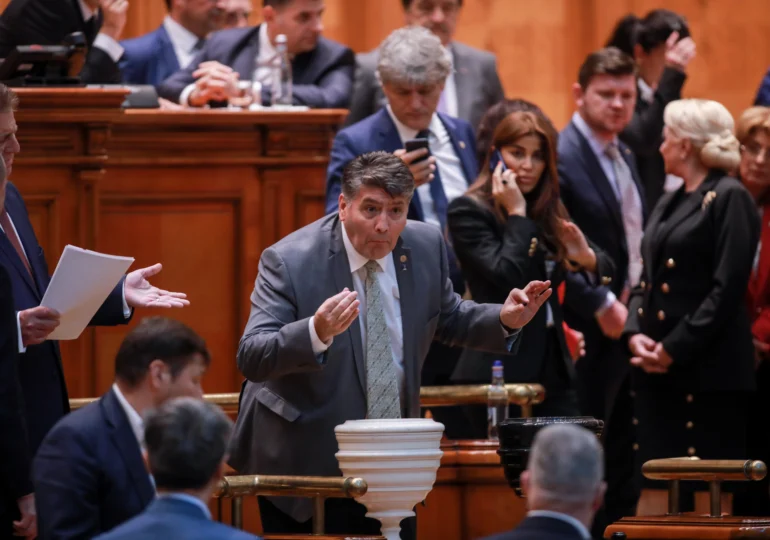
To understand and present the dynamics of parties and negotiation mechanisms in Parliament in a political crisis situation, it is best to look at recent history and see what has happened in similar situations.
2019 was a tense year, the entire country was ravaged by Liviu Dragnea’s catastrophic mandate at the helm of the PSD, a party that controlled the Romanian Parliament, the Government, and the Constitutional Court.
In the 2016 elections, the social democrats won 221 seats in the Chamber of Deputies and the Senate, with a majority of 233.
In the spring of 2019, after Liviu Dragnea was imprisoned, and the PSD obtained a low score in the European Parliament elections, the social democrats were left with at most 200 members of parliament, with ten leaving for Pro Romania, the party launched by Victor Ponta, and a few migrating to ALDE, led by Tăriceanu.
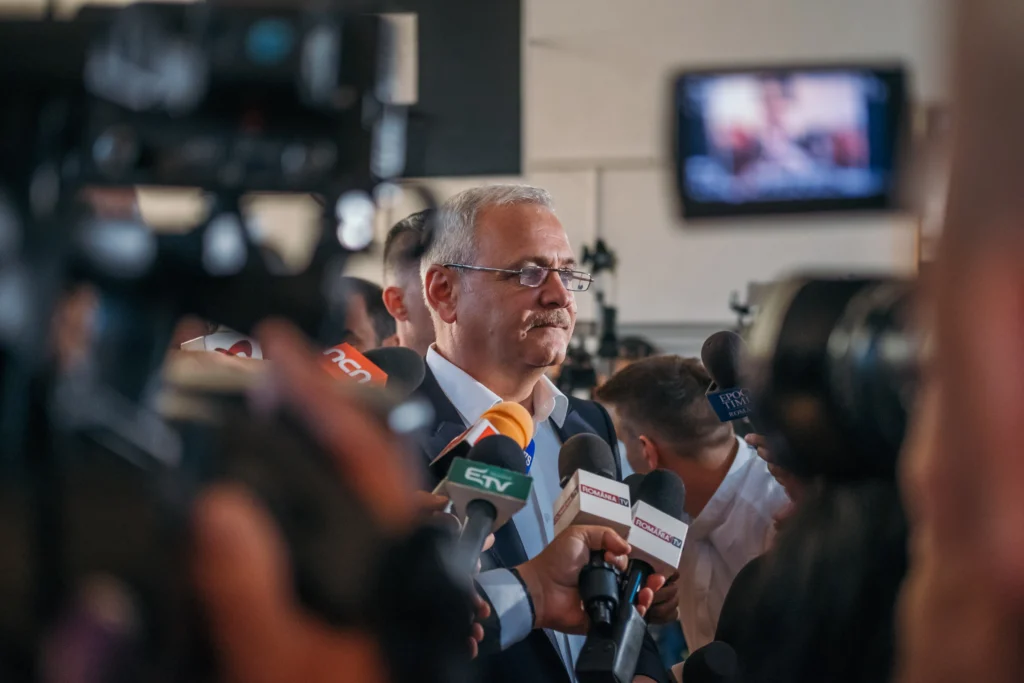
Viorica Dăncilă became the president of the PSD, having been previously proposed by Liviu Dragnea for the position of prime minister.
The situation was further complicated by Klaus Iohannis' candidacy for a second term as President of Romania.
The first to dismiss a PSD government
Ludovic Orban, the leader of the PNL, at the time of the no-confidence vote in October 2019 aimed at dismissing the Dăncilă Government, relied on 94 party parliamentarians, while the PSD had 200.
In the end, he managed to gather 238 votes, 5 more than the minimum required to dismiss the social-democratic executive.
To find out how he did it and what the ins and outs of negotiations in a no-confidence vote are, we spoke with Ludovic Orban, the then president of the PNL who became prime minister following the success recorded in Parliament against the PSD.
“I was the first leader of a right-wing party to succeed in dismissing, through a no-confidence vote, from the opposition, a PSD government, under the conditions of having the strongest parliamentary representation,” Ludovic Orban stated in an interview for spotmedia.ro.
The entire discussion, in video format as well as text, will be published on Monday, April 27.
At that time, although leading the PNL, Ludovic Orban was not a member of Parliament. In 2016, he withdrew from the electoral campaign following a DNA investigation, which he now claims was “a fabricated case.” Orban was never charged and was not prosecuted by anti-corruption prosecutors.
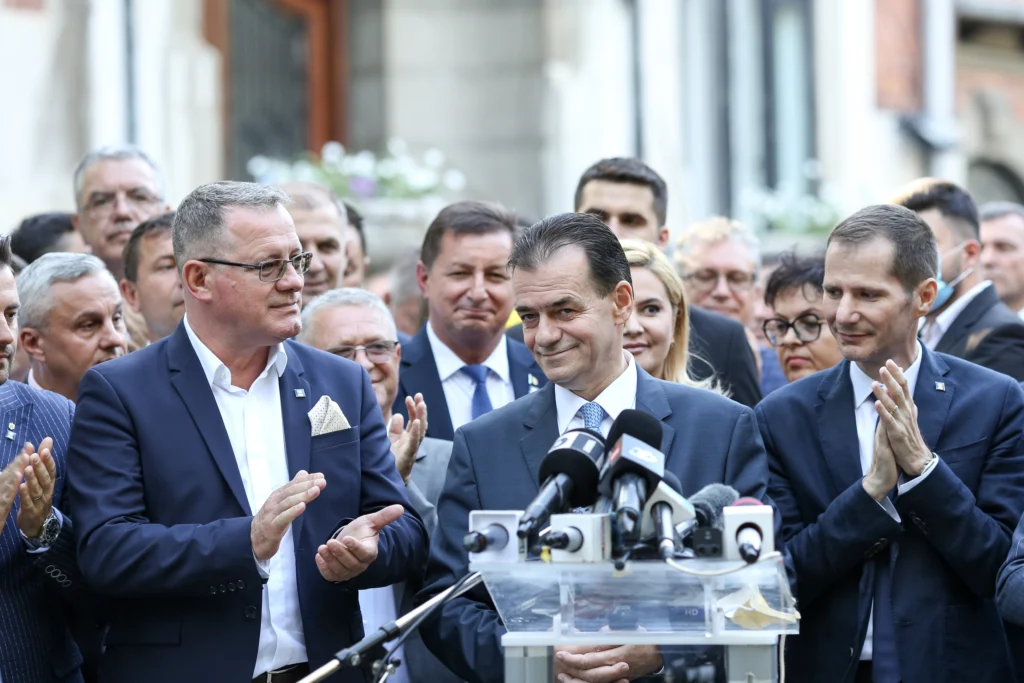
“I was the president of the National Liberal Party without being a parliamentarian. And from this position, I managed to remove Dăncilă in that first no-confidence vote. After that, I had a term as prime minister when the PSD had 45% of Parliament, and I governed until the parliamentary elections in December 2020 and, thereafter, until the end of 2021,” Ludovic Orban recounted for spotmedia.ro.
A wrong calculation
“During my term, I faced two no-confidence votes. The first was in January 2020 when I took responsibility before Parliament to reintroduce the election of mayors and county council presidents in two rounds of voting. At that time, I did not anticipate that UDMR would vote with the PSD. Thus, the government I led was dismissed,” Ludovic Orban added.
“Furthermore, when Iohannis, after the government's dismissal, designated me again, PSD initiated a legal conflict of a constitutional nature between Parliament, the government, and the president, following which the PSD majority in the Constitutional Court, without any legal basis, all supported by Valer Dorneanu, decided that the president was not allowed to reappoint the fallen prime minister to form the government following the no-confidence vote. There is nothing in the Constitution about this. The CCR judges at that time rewrote it in the interest of the PSD. It was not the only time they did that,” the former PNL leader further recounted.
“Then the pandemic came, and PSD ran away from governance like the devil from incense, and when I was designated again, they voted with applause. They were actually the main voters because we had half of the parliamentarians in home isolation due to the fact that Virgil Chițac, who had Covid, came to the PNL Permanent Delegation, and all those who came into contact with him were forced to stay in isolation and could not come to vote. So the vote was with the PSD,” Ludovic Orban recalled.

Discussions one on one
Regarding how negotiations are conducted in the situation preceding a vote on a no-confidence motion, the former prime minister says it is a complicated process, full of surprises, and for parliamentarians, regardless of party, it is an opportunity to gain something - favors of all kinds, whether in terms of their political future, material benefits, employment for relatives, board memberships, and many others.
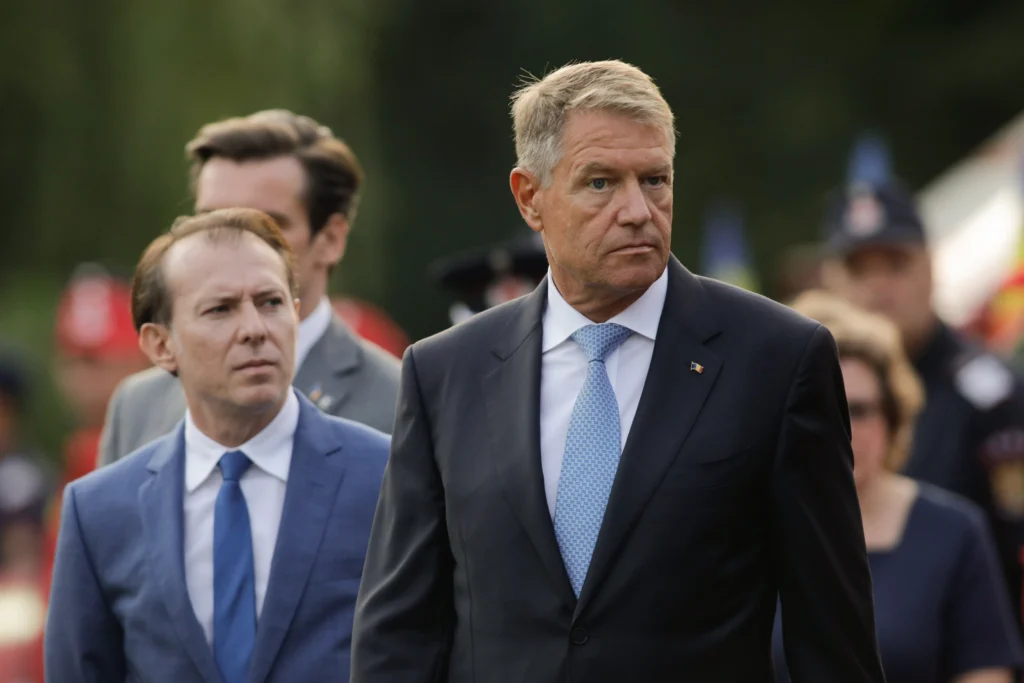
“Negotiations are conducted with groups and individuals. Even when the group or leader said ‘yes, sir, we will vote for the no-confidence motion,’ it was still necessary to negotiate individually. Because I had information about what was happening. PSD, on the other side, was also approaching players. So I had to somehow anticipate potential desertions from the groups of the leaders with whom I had reached an agreement,” Ludovic Orban explained.
“I had formed a negotiating team of about six people, including the leaders of the liberal groups in the Senate and the Chamber of Deputies. Raluca Turcan played an important role, but ultimately, all meetings were with me, the party leader. It couldn't be otherwise. I talked with parties, parliamentary groups, or political groups. I also had individual discussions. Even with the PSD, I had information about dissatisfied individuals and managed to get a few votes. Three to four votes,” Ludovic Orban further recounted.