
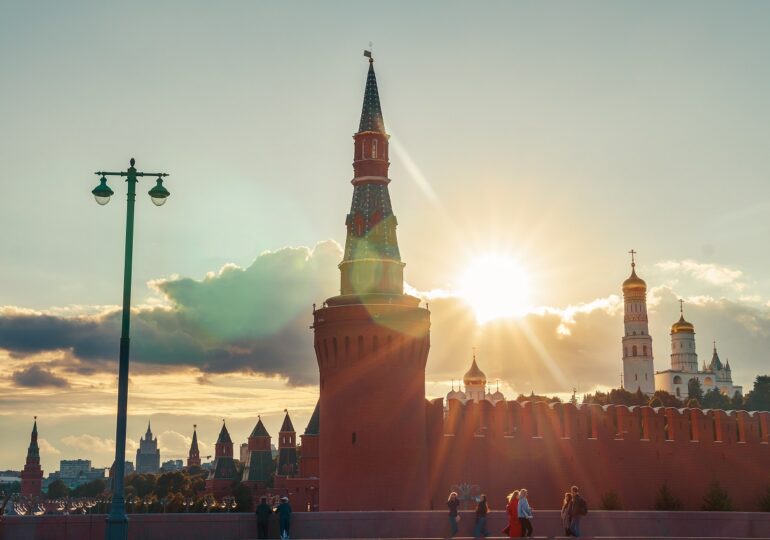
The Kremlin reacted on Monday to the defeat of Prime Minister Viktor Orban in the parliamentary elections, announcing its intention to continue the „extremely pragmatic” relations with the new political leadership in Budapest.
Orban, in power for 16 years and considered one of Moscow’s closest allies in the European Union, was decisively defeated yesterday by Peter Magyar, the leader of the center-right Tisza party.
The outcome of Sunday's election is seen as a major moment of change in Hungarian politics and as a failure for Russia, which has relied in recent years on the support of the Orban government within the European Union.
Moreover, the change in power is considered an indirect blow to the administration of US President Donald Trump, given the political closeness between him and the Hungarian leader.
The Kremlin spokesperson, Dmitry Peskov, stated that Moscow respects the election results: "Hungary has made its choice, and we respect this choice."
He emphasized that Russia does not intend to fundamentally change its approach towards Budapest and will seek to maintain functional relations with the new government: "We intend to continue our pragmatic contacts with the new Hungarian authorities."
Peskov added that Moscow will analyze the actions of the future administration led by Peter Magyar, but does not believe that the political change in Hungary will have a major impact on the war in Ukraine, according to Sky News. The Russian official reiterated that Russia desires stable relations not only with Hungary but also with other European states.
In recent years, Viktor Orban's government has been frequently criticized by European partners for its positions deemed favorable to Russia. Budapest has blocked or delayed several European Union decisions regarding support for Ukraine, including a loan of around 90 billion euros intended for Kiev. At the same time, Hungary has continued to import gas and oil from Russia, despite sanctions and the war initiated by Moscow in 2022.
Orban was considered the closest ally of President Vladimir Putin in Europe, maintaining close relations with the Kremlin and adopting a critical rhetoric against Western sanctions. So far, the Russian leader has not publicly reacted directly to the election results in Hungary.
It remains to be seen whether the new government led by Peter Magyar will change Hungary's foreign policy direction, especially regarding relations with Russia and the stance on the war in Ukraine, at a time when European unity is considered essential for managing the conflict.
B.B.