

Donald Trump announced that he will analyze a new plan transmitted by Iran through Pakistan to end the conflict in the Middle East, but he has already suggested that the proposal is difficult for Washington to accept. Nevertheless, in the evening, there were reports, admittedly only from the press close to the regime in Tehran, stating that the Iranians have already received a response from the US to this proposal. Washington has not officially confirmed the exchange of messages.
The Iranian plan would involve the withdrawal of American forces near Iran, lifting the blockade on Iranian ports, unblocking assets, paying compensation, lifting sanctions, a mechanism for the Strait of Hormuz, and ceasing the war „on all fronts,” including in Lebanon, but it does not seem to explicitly address the nuclear issue, which is a central point for the US and Israel.
Meanwhile, Iranian Foreign Minister Abbas Araghchi informed France and Italy about Tehran's position, while Rome conveyed that an Iran equipped with nuclear weapons is a "red line."
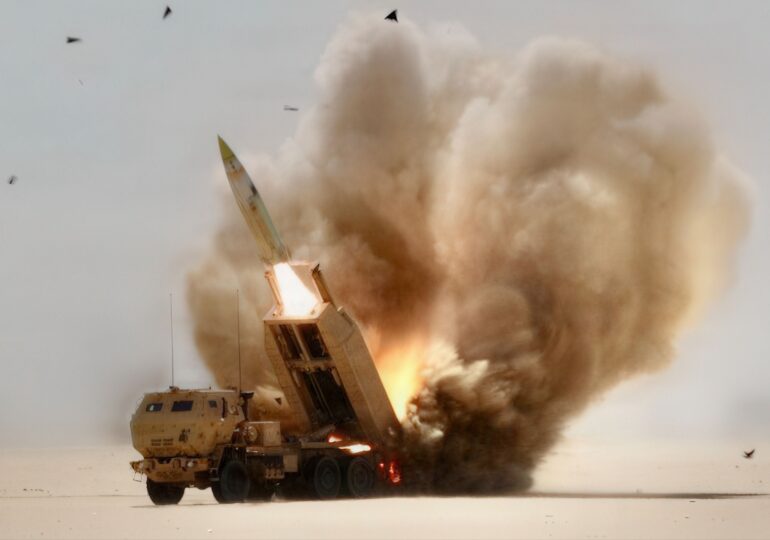
Against the backdrop of the fragile ceasefire, the Trump administration has approved, through an emergency procedure, arms sales of over $8.6 billion to allies in the Middle East, bypassing the usual congressional review and approval, as reported by Reuters.
Trump: Iran's Plan Will Be Analyzed, But Likely Not Acceptable
American President Donald Trump stated on Saturday that he will "soon" analyze a plan transmitted by Iran, but said he cannot imagine that it will be acceptable to Washington.
"I will soon be analyzing a plan that Iran has just sent us, but I cannot imagine that it would be acceptable," Trump wrote on Truth Social. He added that, in his opinion, Iran has not yet paid "a sufficient price" for what it has done "to humanity and the world in the past 47 years."
According to Iranian agencies, the plan was transmitted to the United States through Pakistan and consists of 14 points. Tehran claims that the document could end the conflict within 30 days.
Reuters reports, however, citing an Iranian official, that Trump has already rejected a previous proposal by Iran offering to reopen the Strait of Hormuz before nuclear discussions in exchange for ceasing hostilities and lifting blockades.
Iran Says It Has Received a Response from the US to the Peace Proposal
Subsequently, Iran claims to have received a response from the US to the latest peace proposal, according to state media and agencies close to the regime in Tehran cited by BBC. A spokesperson for the Iranian Ministry of Foreign Affairs stated that the response, transmitted through Pakistan, is currently being analyzed, according to Tasnim.
Washington has not officially confirmed that it has sent a response.
What Iran Demands in the New Plan
According to information in the Iranian press, Tehran demands:
- withdrawal of American forces from areas near Iran
- lifting the blockade of Iranian ports
- unblocking frozen Iranian assets
- payment of compensation
- lifting sanctions
- a "mechanism" regarding the Strait of Hormuz
- ceasing war on all fronts, including in Lebanon
An important aspect is what the plan does not explicitly mention: the nuclear issue. However, this is a central point for the United States and Israel, accusing Iran of seeking nuclear weapons. Iran denies the allegations and maintains that its nuclear program is exclusively peaceful.
Reuters reports that Washington conditions the end of the conflict on a firm agreement guaranteeing that Iran will never obtain nuclear weapons.
Strait of Hormuz Remains a Major Stakes
The Iranian plan comes at a time when the Strait of Hormuz has become one of Tehran's main pressure points. This route is essential for global oil exports, and disruptions in traffic have fueled concerns about energy prices.
Reuters has reported in recent days that the US is seeking international support for the reopening of the Strait of Hormuz, while Iran has indicated that it will continue to disrupt traffic as long as it feels threatened. The agency notes that the price of Brent crude oil has risen significantly since the beginning of the year due to tensions in the region.
The United States has also warned shipping companies that they could face sanctions if they pay Iran to safely pass through the strait, according to AP.
Iran Warns Resumption of War Is "Likely"
Tehran's tone remains elevated. Mohammad Jafar Asadi, deputy inspector of the Iranian armed forces' Khatam Al-Anbiya command, stated, according to Fars agency, that the resumption of conflict between Iran and the United States is "likely."
He claimed that "actions have shown" that the United States does not respect "any promise or agreement."
This statement comes after Trump said on Friday that he is not "satisfied" with the Iranian proposal. The American president stated that he would prefer not to have to "obliterate Iran once and for all," but added that the resumption of war remains "an option."
Tehran Discusses with Europeans, but Nuclear File Blocks Negotiations
Iranian Foreign Minister Abbas Araghchi informed his French and Italian counterparts about Tehran's position in peace negotiations, according to Reuters.
The Iranian Foreign Ministry stated that Araghchi presented the "positions and initiatives of the Islamic Republic of Iran" to end the "imposed war."
In a discussion with the Italian Foreign Minister, Antonio Tajani, Araghchi criticized the "unconstructive" approach of Europeans towards the Iranian nuclear program, which he described as "absolutely peaceful."
However, Tajani publicly stated that he told his Iranian counterpart that an Iran armed with nuclear weapons is a "red line" for Italy.
The main deadlock remains Iran's stockpile of enriched uranium above the level needed for energy production. The United States wants Iran to give up this stockpile, while Iran demands recognition of its right to enrichment for civilian purposes and the lifting of sanctions.
US Approves Arms Sales of Over $8.6 Billion
In parallel with the fragile negotiations, the Trump administration has approved arms sales worth over $8.6 billion to allies in the Middle East.
The State Department invoked an emergency situation, allowing the bypassing of the usual congressional review process. Secretary of State Marco Rubio determined that deliveries must be made immediately, given the conflict between the US and Israel on one side and Iran on the other.
The package includes:
- for Qatar: Patriot systems and associated services totaling $4.01 billion
- for Qatar: APKWS systems of $992.4 million
- for Kuwait: an integrated combat command system of $2.5 billion
- for Israel: APKWS systems of approximately $992.4 million
- for the United Arab Emirates: APKWS systems of approximately $147.6 million
The main contractors are BAE Systems, RTX, Lockheed Martin, and Northrop Grumman, as reported by The Times of Israel.
Fragile Ceasefire and Political Pressure in Washington
The White House claims that the ceasefire with Iran has "ended" hostilities, at a time when the Trump administration is trying to avoid a legal and political confrontation regarding the need for Congress approval to continue operations.
In a letter sent to congressional leaders, Trump stated that there have been no exchanges of fire with Iran since the ceasefire came into effect and that hostilities that began on February 28, 2026, "have ended."
However, developments on the ground and statements from both sides indicate that the situation remains extremely unstable: Iran conditions the calming of the conflict on the lifting of blockades and sanctions, the US insists on guarantees regarding the nuclear program, and the new arms package shows that Washington is preparing for the scenario in which diplomacy fails.