
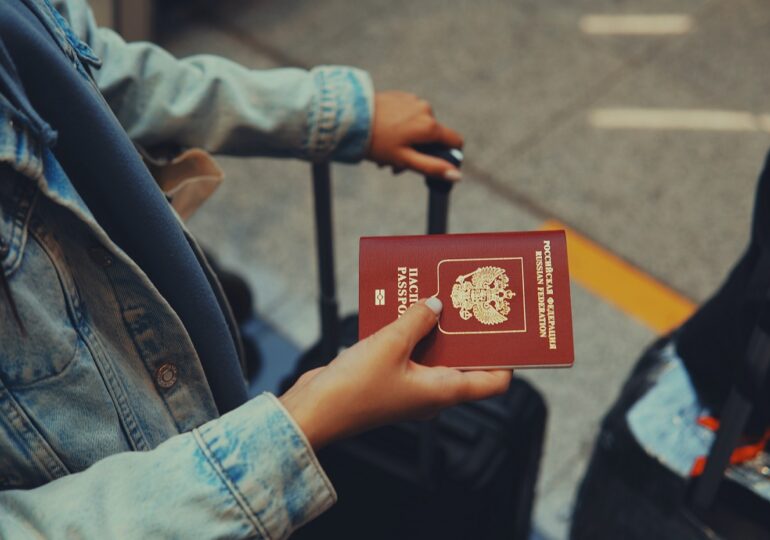
An unusual trend is making waves online: more and more tourists are wrapping their passports in aluminum foil, fearing that the data on the document’s chip could be read remotely.
Experts, however, say that the risk is extremely low, and this protective measure is largely unnecessary.
The trend is gaining attention on platforms like TikTok and Reddit, as well as on travel forums.
The idea stems from the fear that criminals could read certain sensitive information without direct contact when passing by a person, and the aluminum foil would act as an improvised barrier against radio waves, writes Euronews.
Modern German passports, for example, contain an RFID chip integrated into the page with personal data.
In the case of German passports, the wireless chip allows, according to the Federal Office for Information Security, a quick and secure identity verification at the border. In addition to the digital photo, the chip stores personal information such as name, place of birth, gender, eye color, height, and residence, as well as two fingerprints taken when the document was issued.
Experts say that unauthorized access to this data is highly unlikely under normal travel conditions.
Just like with contactless payments, a reading device should be in close proximity to the document – practically touching it.
While aluminum foil may provide a sense of security, experts believe that this protective measure is largely unnecessary. Moreover, repeatedly wrapping and unwrapping passports at border control can cause unnecessary delays.
C.S.