
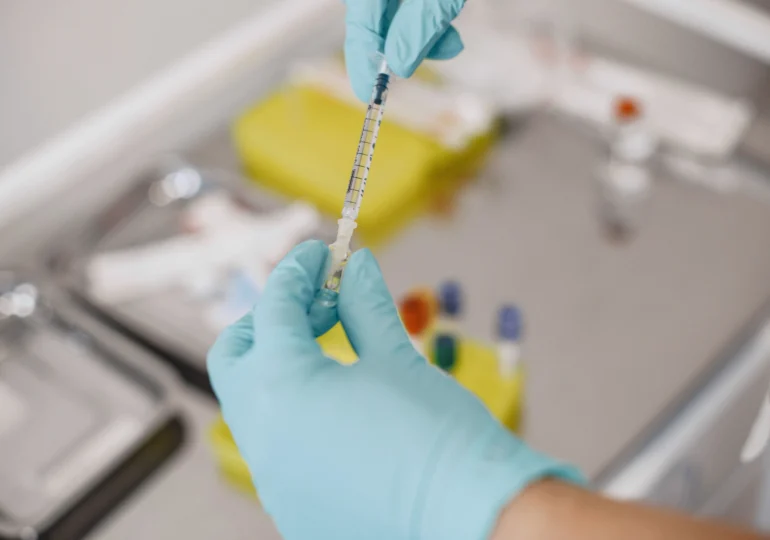
An experimental vaccine that aims to „reset” the immune system and restore its ability to more effectively combat chronic diseases will enter, for the first time, clinical trials on humans. Researchers hope that the new technology could pave the way for innovative treatments for conditions such as cancer, HIV infection, or various forms of dementia.
The vaccine is being developed by the British biotechnology company SenTcell, founded by researcher Alessio Lanna, and targets a special type of immune system cells that lose efficiency with age or in the context of chronic diseases.
How the new vaccine works
The vaccine targets the so-called "exhausted T cells," a type of white blood cells essential for coordinating the immune response. Over time, these cells become less and less efficient, and the body loses its ability to fight infections, tumors, or other threats.
Researchers are trying to reactivate these cells and bring them back to a level of functioning close to that of a younger immune system. If the approach works, the body could respond better to diseases and could limit the effects of aging on the defense system.
Why T lymphocytes are important
The study focuses especially on CD4+ T lymphocytes, considered the "conductors" of the immune system. They coordinate the activity of other cells involved in the body's defense against infections, cancer, and other conditions.
According to researchers, dysfunctions of these cells are commonly found in elderly individuals, as well as in patients living with HIV or suffering from various forms of cancer.
"People living with HIV can now have a long and healthy life thanks to major advances in treatment, but many of them continue to exhibit characteristics of accelerated aging of the immune system. Similar immune dysfunction patterns are also observed in cancer and other chronic diseases," said Alessio Lanna.
He explained that the aim of the research is to demonstrate that revitalizing the immune system can become a new therapeutic strategy for age-related diseases and immune function degradation.
Connection to the aging process
Another important component of the research is the study of telomeres, structures that protect chromosomes and shorten as the body ages.
Previous laboratory experiments have suggested that T lymphocytes brought to a better functional state could release structures containing telomeres into the body, which could influence the health of other tissues.
Currently, this hypothesis has not been demonstrated in humans, and the clinical study set to begin this year aims to clarify whether this mechanism exists and whether it can have beneficial effects on health.
First human trial
The program is supported by the British Innovative Licensing and Access Pathway (ILAP) scheme, coordinated by the MHRA, the regulatory authority for medicines in the UK.
Researchers emphasize that the vaccine is in a very early stage of development. The clinical study set to begin in 2026 aims primarily to evaluate the safety and biological effects of the treatment, and its effectiveness against cancer, HIV, or dementia will need to be confirmed in further research.