
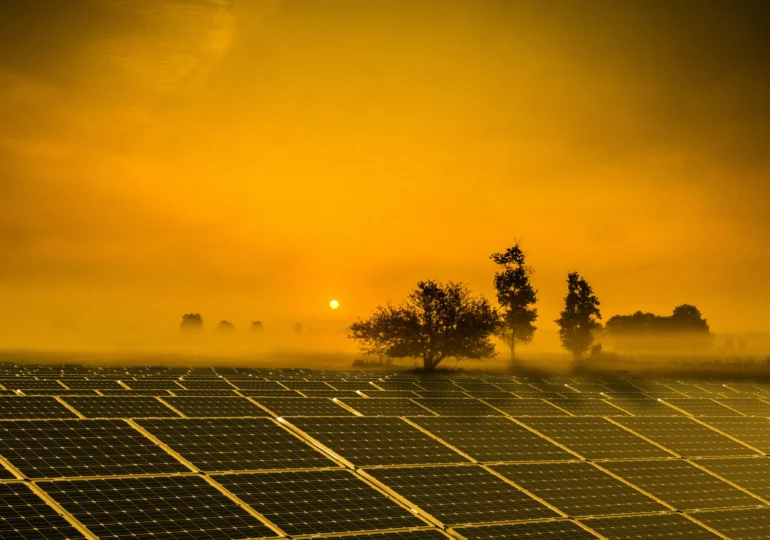
Solar energy surpassed coal in electricity production in the United States in May. It is the first time that, over the course of a month, solar energy has exceeded one of the fossil fuels that have dominated the country’s energy production for decades.
According to a report published by the Ember analysis center, based on data provided by the U.S. Energy Information Administration (EIA), solar energy accounted for 12.8% of the country’s electricity production in May, while coal dropped to 12.2%.
Huge Energy Demand Accelerates Investments
The advancement of solar energy comes at a time when the U.S. is rapidly seeking to add new production capacities to meet the increasing demand for electricity, fueled in part by the development of data centers for artificial intelligence.
The growth of the photovoltaic sector has occurred despite the policies promoted by President Donald Trump's administration, which particularly supports traditional energy sources such as coal and nuclear energy. The administration argues that these sources can provide electricity consistently, unlike renewable sources dependent on weather conditions.
"This is a structural change in the U.S. energy system," said Nicolas Fulghum, an analyst at Ember. According to him, companies urgently need new energy sources and consider solar energy "cheap, accessible, and quickly implementable."
Solar Production Increases, Coal Production Decreases
Data analyzed by Ember shows that solar energy production increased by 17% in May compared to the same period last year. In contrast, coal-based electricity production decreased by 11%.
However, fossil fuels continue to dominate the American energy mix. Natural gas remains the main source of electricity in the U.S., accounting for 37% in May.
Batteries Change the Game Rules
One of the factors supporting the expansion of solar energy is the rapid development of battery storage systems. These allow the energy produced during the day to be stored and used during sunless periods, including evenings when electricity consumption often reaches high levels.
According to a report published by the Photovoltaic Energy Industries Association and the consulting company Wood Mackenzie, solar energy and storage systems together accounted for 91% of new production capacities installed in the U.S. in the first quarter of this year.
Analysts estimate that solar energy will strengthen its position in the coming years as utility companies and data center developers invest more in projects combining photovoltaic panels with battery storage. "We will continue to see record battery usage year after year," said Nicolas Fulghum.