
When temperatures soar, there are a few simple things you can do to keep your home cool.
A heatwave has taken over almost the entire continent. Several countries have broken temperature records this week, and the heatwave is spreading to Romania – from Friday, we have an orange code in 11 counties, ANM announcing temperatures of up to 40 degrees.
During this period, the first step to deal with the heatwave is to ensure thermal comfort at home. And in the absence of air conditioning, we can do this through a few simple ways.
Ensure air circulation
If you live in a house, open windows on opposite sides of the house to encourage air circulation. Do this when the outside air temperature is lower than the indoor temperature, usually at night or in the early morning hours, recommends BBC.
Hot air rises indoors, so if there are ventilation openings in the attic or windows, you can open them to release some of the heat. Otherwise, hot air can remain trapped upstairs, and the rooms there will not be cool.
Additional insulation in the attic can also help keep the heat out in the summer, as well as reduce bills and energy consumption in winter.
In apartments with windows on one side only, open the doors and use a fan to facilitate air circulation. Keep the windows closed during the day.
Keep the air warmer outside during the day
During the day, when it's very hot, it's best to keep the windows closed and the blinds or curtains drawn - especially on the side of the house where the sun shines.
If the house has external shutters, they should be fully closed in the rooms you don't use and raised by at most a palm's width in the areas where you stay to let in some natural light.
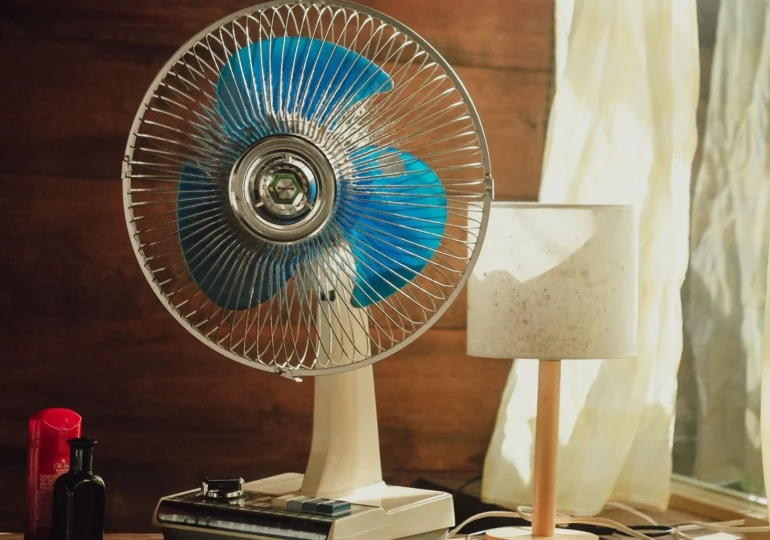
Use a fan
Fans are a relatively inexpensive and energy-efficient way to keep the air moving.
Using an independent fan for 24 hours usually costs less than 0.50 euros, according to the latest data from the Energy Saving Trust.
Placing the fan in front of an open window can encourage fresh air from outside to blow throughout the room - as long as it's cooler outside.
Placing ice cubes in front of the fan can cool the blown air. You can use multiple fans to create a cross breeze.
"Facial ventilation improves thermal comfort the most, but whole-body ventilation helps lower body temperature," explained Professor Mike Tipton from the University of Portsmouth.
However, he warns that using a fan when temperatures are above 35°C can worsen the situation, as ultimately, you're just directing hot air towards your body.
Air conditioning is a much more expensive option than using fans. According to the Energy Saving Trust, 24 hours of continuous use costs between 5.60 and 7 euros.
Give up heat-generating activities
Ovens and stoves emit a lot of heat in the house during and after use. Instead, constant consumption of cold foods, such as salads, especially in the hottest hours of the day, can prevent heat generation.
Other appliances, such as washing machines and dishwashers, can also produce heat, so try not to use them when it's hotter.
Heat exhaustion can also be caused by high humidity - moisture in the air - so it's worth reducing humidity by:
- shorter and cooler showers;
- wiping off excess water from surfaces;
- moving indoor plants outdoors.
T.D.