

The number of avoidable hospitalizations increased by approximately 34% in 2024 compared to 2022, related to the main five pathologies – asthma, chronic obstructive pulmonary disease (COPD), diabetes, congestive heart failure, and hypertension – according to the Audit Report on the performance of integrated outpatient clinics in the healthcare units subordinate to the Ministry of Health (MoH).
The target set in the National Health Strategy (NHS) for reducing avoidable hospitalizations is a minimum of 30% by 2030, compared to 2022, to alleviate the highly costly pressure on hospitalization.
In addition, the Court of Accounts audit found that the insufficiently developed infrastructure does not ensure quality services within the integrated outpatient clinics, and the proportion of conditions resolved in outpatient care remains low.
Although the importance of these medical services is demonstrated by Western state systems, and quantifiable in these cases, the funding directed by authorities over the decades of discussing the restructuring of the Health budget is insufficient.
Compared to day hospitalization and continuous hospitalization, for which the provided funding covers the level of resources consumed, outpatient services are underfunded, and the rates reimbursed through the contract with the National Health Insurance House (CNAS) do not realistically cover the related expenses.
This reality leads to a risk of demotivating medical staff from extensive involvement in outpatient activities, especially when the same doctor can provide services in a continuous or day hospitalization regime with a financially more efficient outcome for the hospital, as specified in the Report.
The audit covered the period 2022 - 2024, and within the mission, the organization and functioning of integrated outpatient clinics in the structure of the 56 healthcare units subordinate to the MoH were analyzed, including investments made, available equipment, specialist medical staff, medical services offered in outpatient care, their accessibility, as well as possible cases of avoidable hospitalizations.
Main developments in avoidable hospitalizations during the analyzed period:
- the number of avoidable hospitalization cases increased by approximately 25% in 2023 and by 34% in 2024, compared to the number of avoidable hospitalization cases recorded in 2022
- out of the total avoidable hospitalizations, the pathologies with the highest proportions are diabetes (44.22%), congestive heart failure (33.69%), and COPD (16.07%)
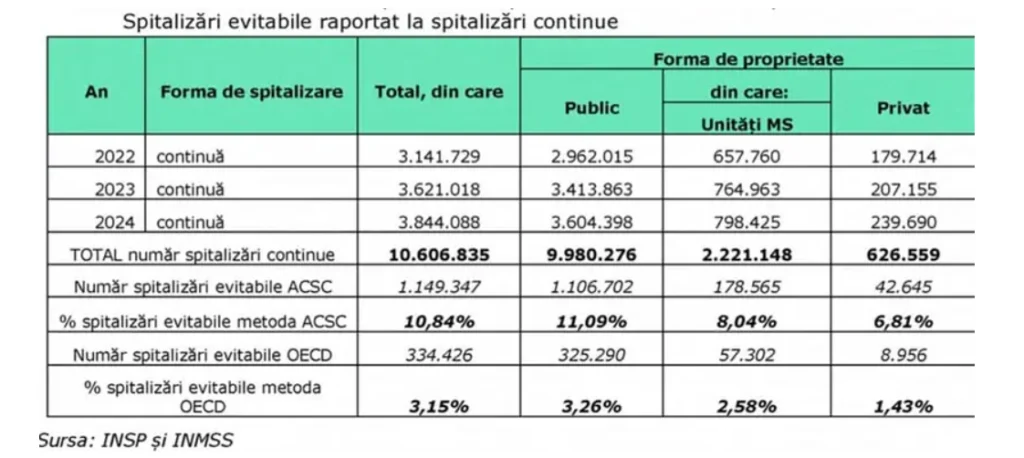
Even in the context where the number of avoidable hospitalizations for the 5 pathologies is reported against the number of continuous hospitalizations in the healthcare units subordinate to the MoH, for the period 2022-2024, the trend of increasing these avoidable hospitalizations is observed, as specified in the Report.
Long Waiting Times, Higher Treatment Costs
Main benefits of a developed outpatient system:
- Developing outpatient medical services can have a significant impact on the efficiency and sustainability of the healthcare system by reducing the pressure on hospitalizations and efficiently managing cases that can be treated in outpatient care.
- This contributes to shortening waiting times, facilitates early diagnosis and initiation of treatment in early stages, thus preventing the occurrence of complications and the need for advanced therapies for patients.
- Orientation towards outpatient care promotes more efficient use of healthcare system resources by reducing costs associated with continuous hospitalization that could have been avoidable, thereby contributing to increased cost-effectiveness and optimizing the allocation of available resources.
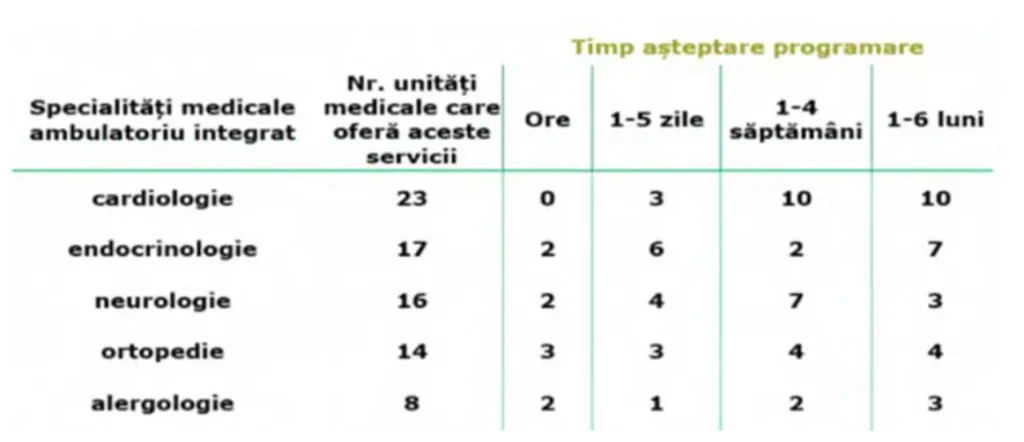
The Court of Accounts states that accessibility to medical services offered in the integrated outpatient clinics of healthcare units under the MoH's authority was limited by significant waiting times for certain medical specialties.
"Thus, the interval between the scheduled date and the actual consultation date varied from a few days to several months, a factor that affected ensuring the provision of necessary medical services to patients," according to the Court of Accounts.
Read the full analysis Long Waiting Times and One-Year Waits for Cardiology in Outpatient Clinics - Court of Accounts Report. Effects - more chronic patients, increasing avoidable hospitalizations, and advancing healthcare budget expenses on Curs de Guvernare