

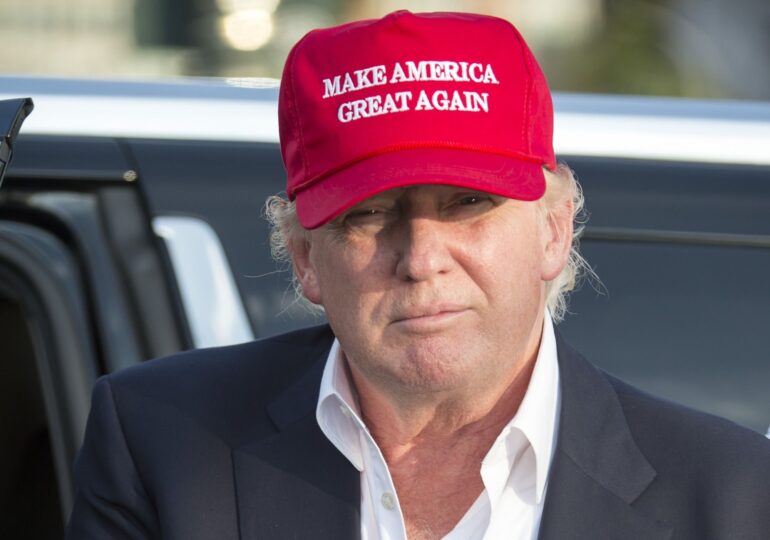
Donald Trump’s entry into politics, on June 16, 2015, marked a fundamental change in the way electoral campaigns are conducted, communication, and fundraising.
Donald Trump maximized his celebrity status, built on a reality show aired by NBC with a huge audience across America, combined with the power of information dissemination on social networks.
Thus, the current president became what several commentators dubbed as „the Teflon candidate.” This means that any statement, any tweet by him went viral, and the more shocking it was, the more followers he gained on social networks, supporters, and ultimately, voters.
This is how the Trump decade began. Although he lost the presidential elections after his first term at the White House in 2020, he remained a fairly popular political leader, despite the controversies surrounding him, which allowed him to come back and win the 2024 electoral race.
However, after just one year into his second term, Donald Trump shows signs of weakness. His chaotic behavior, the turmoil in the American administration, nepotism, and corruption overlapped, ultimately resulting in a certain type of wear and tear in actions and communication, and the saturation of the American public regarding the president's actions.
Since the beginning of this year, it is increasingly clear that Trump's political erosion is intensifying, and his old tricks no longer work.
A complicated situation
His shocking stances, such as those in the case of the killings by ICE (Immigration Police) of Renee Good and Alex Pretti, rather provoked horror and rejection than a new controversy through which the tough political leader profile, fighting immigrants, could gain popular support.
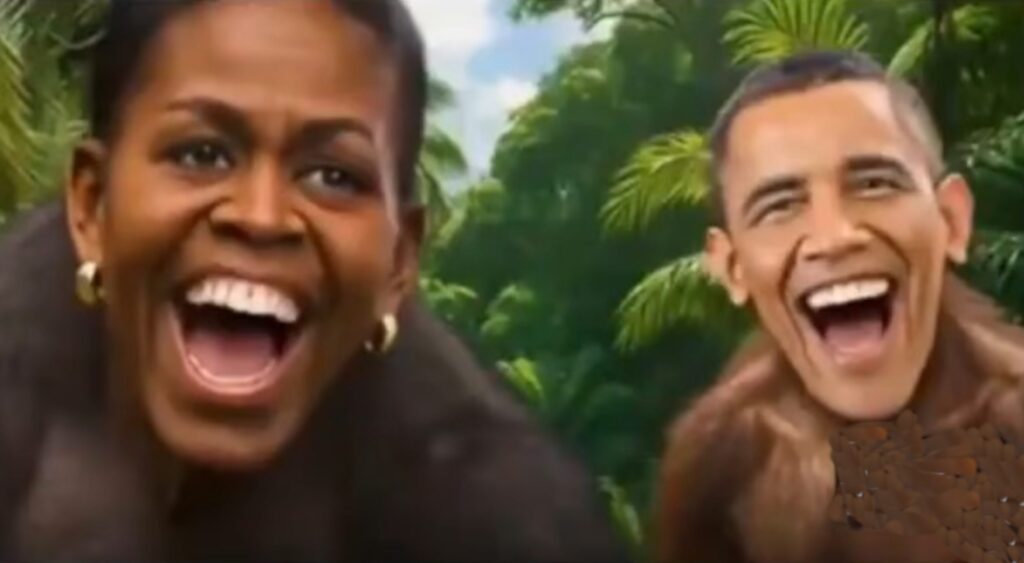
The trend of the electorate breaking free from the spell cast by Trump was most evident in the case of the shocking posting of a video clip in which Barack Obama, the former American president, and his wife Michelle, both people of color, are depicted as monkeys.
The post remained on the official X account of the White House for 12 hours, with several administration representatives initially supporting the message. Strong reactions from within the Republican Party led to the deletion of the post.
Once again, Donald Trump was forced to take steps back, with his aura of political invincibility losing more and more of its shine.
The significant number of strategic and image defeats suffered by Donald Trump in his first year in office would not mean much if they did not herald a complicated situation in the mid-term elections in November.
The current US president enjoyed tremendous power because, following the 2024 election, he took control of both the White House and the Senate and House of Representatives, where the Republicans secured the majority of seats in the legislature.
Trump had the opportunity to impose a political program to garner public support, but he did not have such an objective, and his mandate failed due to conflicts with Canada and Europe, his ambiguous stance towards Putin, and protectionist trade policies that led to price increases for products and services.
Paradoxically, the privilege of absolute power turned against him, undermining his mandate.
Democrats, favored to win the House of Representatives
Nine months before the mid-term elections, Democrats have a 78% chance of taking control of the House of Representatives, according to Kalshi, a prediction platform based on probabilistic calculations.
Also, in the Senate, where, at the beginning of the year, the Democratic Party had zero chances of obtaining the majority, it has now reached 37%, which is more than one in three chances of winning.
Of the 100 seats in the American Senate, 35 will be up for grabs in the November 2026 elections. A senator's term is six years, and elections for a third of the seats are held every two years. The term of members of the House of Representatives is only two years.
Of the 35 Senate positions up for election in November, only 12 are competitive, while the rest are predictable races. If Democrats win all electoral competitions where they are favored and the seats in Alaska and Ohio, where they are close to Republican leaders, they can also gain control of the Senate.
Such a situation would turn into a political nightmare for Donald Trump, who could face several impeachment attempts launched by Democrats.
Survival, the sole objective
All the strategies that have worked so far and favored the current US president are now turning against him, weakening him day by day.
An American skier, who stated at a press conference that things are not going well in the country and that he has "mixed feelings" about representing the USA at the Olympics, provoked a furious reaction from the president.

INCREASINGLY DIFFICULT TO BE AN AMERICAN. Hunter Hess, the acrobatic skier who stated at a press conference that representing America at the Olympics is uncomfortable due to the chaos in the country, was attacked by Donald Trump - Photo Source: Team US
But this time, apart from the fanatical supporters, Donald Trump did not receive applause from the American people.
Something has changed.
Many commentators and journalists say that we are witnessing the phenomenon called "political gravity," the force that sooner or later wears out any leader. Until now, Trump seemed immune to the erosion of his relationship with MAGA and a large part of the voters, but the situation has changed.
In the coming years, Trump's influence will decline, and his main objective will be to survive in the position of head of state until the end of his term.
From the campaign launched by Steve Bannon - a third term for Donald Trump - to the struggle to finish the second one, only six months have passed.