
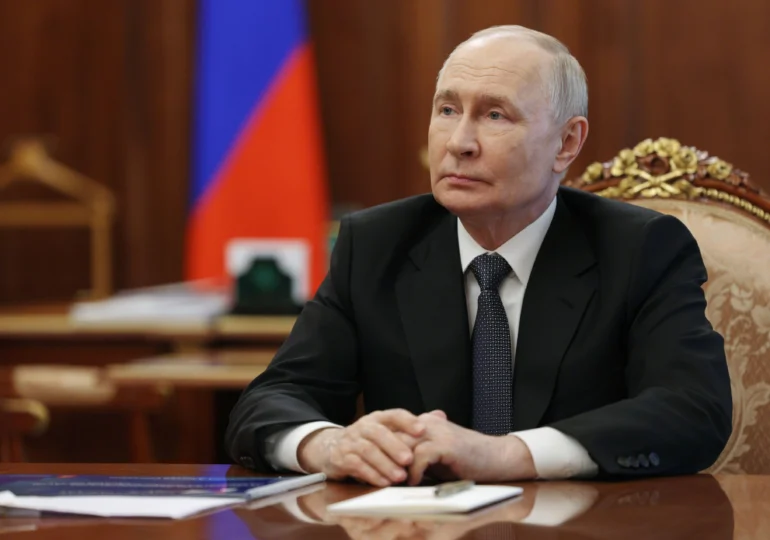
Russia wants European countries to be included in future peace negotiations regarding Ukraine, but the Kremlin’s real intention is not to find a quick diplomatic solution, but to obtain major concessions from NATO.
According to diplomatic sources cited by The Telegraph, Vladimir Putin aims to restore the Alliance’s military presence to the 1997 level, before the former communist states began joining NATO.
Such a demand could directly affect the security of Poland, the Baltic states, and other countries on the eastern flank, including Romania, which joined NATO in 2004.
Moscow's plan is expected to be brought up at the next round of negotiations between Russia, Ukraine, and the United States, scheduled for November in Abu Dhabi.
Why Russia Wants to Bring Europe to the Negotiating Table
Yuri Ushakov, the Kremlin's foreign policy advisor, stated that European countries must participate in the negotiations because without them a peace agreement cannot be concluded.
Diplomatic sources cited by The Telegraph claim, however, that Moscow is pursuing a broader goal: to obtain concessions regarding NATO expansion, which Putin presents as one of the fundamental causes of the war.
The Kremlin has previously suggested that it might accept compromises on other issues if its main demands are met, including those relating to Ukraine and the European security architecture.
One of the demands Putin might make is a return to NATO's 1997 military configuration. In practice, this could mean the withdrawal of allied troops from Poland, Estonia, Latvia, Lithuania, and Finland, countries that share a border with Russia.
Such a claim would also have implications for Romania, where NATO has troops and military infrastructure.
Europe Rejects the Withdrawal of NATO Troops
According to The Telegraph, European officials do not intend to accept Moscow's demands. "Our position remains the same as in January 2022," said a European official, referring to the response sent to Russia at that time by Jens Stoltenberg, NATO's Secretary General then.
Before the large-scale invasion of Ukraine, Putin had requested guarantees that NATO would no longer expand and would reduce its military presence in Eastern Europe.
The Alliance said at that time it was willing to discuss Russia's security concerns but rejected the withdrawal of its forces from Eastern European member states.
Negotiations in November, but Without High Expectations
Russia has agreed to resume trilateral talks with Ukraine and the United States after a long period of deadlock. Ushakov warned, however, that the meeting in Abu Dhabi will be more of a test and that no significant progress is expected.
According to the British publication, Moscow's return to the negotiating table was encouraged by the prospect of discussing its security demands, as well as Washington's decision to grant exemptions from sanctions on Russian fuel exports.
The proposal to also discuss future security arrangements in Europe was reportedly presented to Putin by American envoy Steve Witkoff during a three-hour meeting held last week in Saint Petersburg.
Zelenski Wants Limited Ceasefires and Security Guarantees
Ukrainian President Volodymyr Zelenski confirmed that negotiations will take place next month but warned that they will not immediately lead to the end of the war.
Kiev intends to propose limited ceasefires that protect energy infrastructure and grain exports, as well as new prisoner exchanges.
Zelenski believes that such concrete agreements could pave the way for a direct meeting between leaders.
He warned, however, that Putin's declared willingness to negotiate might be just a political maneuver aimed at avoiding escalation of tensions with Washington before the American elections. "We will see very quickly, in November, whether it was a deception or not," said the Ukrainian leader.
So far, negotiations have failed to lead to a ceasefire, mainly because of Moscow's insistence that Ukraine cede territories in Donbas that the Russian army does not control.
G.P.