

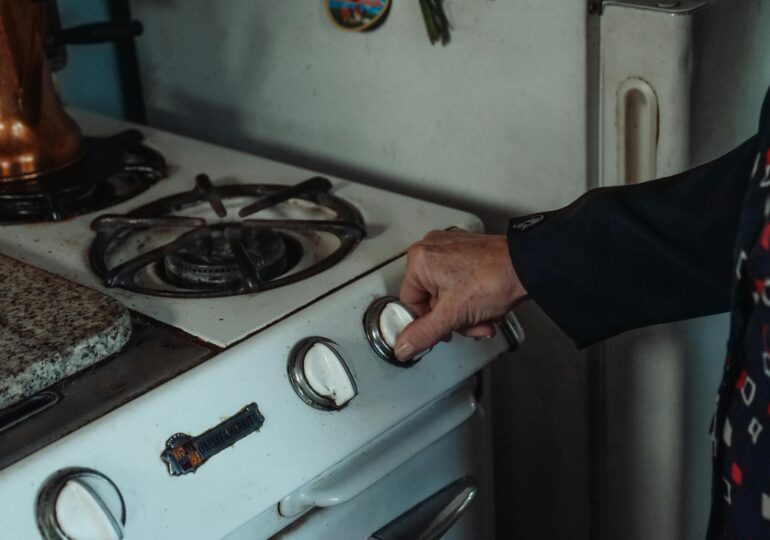
Four deaths and 22 people intoxicated with carbon monoxide in just six weeks. This alarming toll was announced by Delgaz Grid. The company warns that many of these tragedies could have been prevented through regular checks and adherence to basic safety rules.
Carbon monoxide intoxications have claimed 26 victims in the first six weeks of the year in the counties within Delgaz Grid’s area of activity. „The figure is similar to the number of people affected by these types of incidents throughout the entire year 2025,” the company specifies.
12 cases have been identified in the counties of Mureș, Bistrița-Năsăud, Alba, Timiș, Cluj, and Neamț. Out of the 26 affected individuals, four lost their lives due to carbon monoxide accumulation from burnt gases in enclosed spaces.
Blocked Chimneys, Unsealed Installations, Dangerous Improvisations
According to the company, carbon monoxide accumulations occurred due to:
- blocked or unsealed exhaust chimneys;
- defective systems for exhaust of burnt gases;
- cracked or defective stoves;
- using the gas stove for heating the home.
In one case, the natural gas utilization system had been sealed because the chimney was not cleaned and posed risks. The owners broke the seal and put the system back into operation, leading to intoxication as a consequence of its use.
"Don't Leave Safety to Chance"
The company's CEO, Cristian Secoșan, issues a strong warning. "Behind these worrying figures are children, parents, siblings, or grandparents who have suffered due to carbon monoxide intoxication. All these critical situations could have been avoided by cleaning and repairing, with the help of specialists, the chimney flues and exhaust systems. Don't leave safety and maintenance of indoor usage installations to chance, as it puts your life at risk," Secoșan states.
What Is Carbon Monoxide and Why Is It So Dangerous
Carbon monoxide is an extremely dangerous gas because it is imperceptible: it has no smell, color, or taste.
It has a density close to that of air, meaning it mixes uniformly in rooms and cannot be detected without special equipment.
Symptoms of intoxication include nausea, dizziness, and headaches. In such situations, victims must be immediately taken to fresh air, rooms ventilated, and emergency medical services contacted.
Delgaz Grid's Recommendations
To prevent tragedies, the company recommends:
- Periodic checking and cleaning of burnt gas exhaust systems. In apartments, ventilation ducts and grilles should be checked to prevent blockages.
- Cleaning chimney flues and stacks at least twice a year, mandatory before the cold season, only with authorized personnel.
- Prohibiting the use of gas stoves for heating the home. The gas stove must be constantly monitored during use.
- Installing carbon monoxide detectors in rooms where gas-powered appliances operate. These emit audible signals and can prevent serious incidents.
More information on safely using energy sources is available on the "Safe Romania" project's platforms, part of the "Together for Safety" partnership between E.ON, Delgaz Grid, the Department for Emergency Situations, and the General Inspectorate for Emergency Situations.
Delgaz Grid, a distribution company within the German group E.ON, operates a natural gas network of approximately 27,000 km in 20 counties in northern and western Romania and an electricity network of over 82,700 km in six counties in Moldova.