
A new portable dialysis device could offer patients with severe kidney disease the freedom to travel and live outside the hospital – a radical change from traditional treatment.
The first portable artificial kidney could hit the market in a few years, according to NL Times.
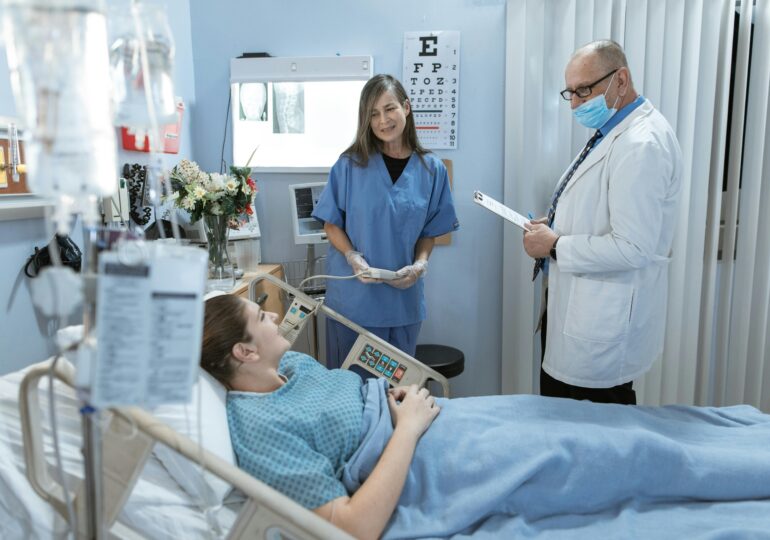
Millions of patients worldwide are forced to undergo hemodialysis three times a week in a hospital, for several hours, using large, fixed machines. This greatly limits them, restricting their ability to move around. Even when they decide to go on vacation, they need to ensure they can receive dialysis at a nearby medical center.
A Device that Fits in a Suitcase
The innovative project, called Neokidney, is already being tested in clinical studies by the University Medical Center Utrecht (Netherlands). The device, the size of a carry-on suitcase, can be used almost anywhere, providing patients with unprecedented flexibility.
"This will mean a real improvement in the quality of life," says Tom Oostrom, director of the Dutch foundation Nierstichting.
"We noticed that major equipment manufacturers were not motivated to develop portable artificial kidneys... That is why, over a decade ago, we decided to take control of the situation," Oostrom added.
From Kolff's Pioneering to Modern Technology
The first dialysis machine was created by Dutch researcher Willem Kolff in 1945. Kolff himself encouraged researchers to develop a portable kidney once the technology became advanced enough.
Meanwhile, the foundation has collaborated with international partners to create the company Nextkidney, which is developing the device.
Initial prototypes were tested in France, with promising results.
Clinical Studies and Preliminary Results
This year's clinical studies involve approximately 50 patients from Utrecht, Brussels, and Caen (France). "We are evaluating everything: does the device effectively clean the blood and remove excess fluid? Do patients experience side effects? What impact does dialysis have on blood pressure, heart rate, and blood values? By the end, we will perform and evaluate at least 1,000 treatments," explains nephrologist Karin Gerritsen.
If the results remain positive, the company will seek approval in European and American markets. In the Netherlands, health insurers are considering subsidizing the device from 2027 or 2028, which could reduce costs for medical staff as patients will be able to perform dialysis on their own.
Oostrom highlights the potential international benefits of the technology.
"In disaster-affected areas, portable dialysis could save lives. After the tsunami in Japan, some regions had no dialysis options. For patients, time is critical. A portable kidney will make it much easier to provide life-saving care," Oostrom emphasized.
G.P.