

Nicolas Maduro, 63 years old, the President of Venezuela, arrested at the order of Donald Trump, was presented on January 4, 2026, to Judge Alvin Hellerstein, 92 years old, at the Federal Court in Manhattan, New York.
Maduro claimed his innocence, considering himself a prisoner of war. Thus began the trial in which a dictator is being judged for drug trafficking and associated crimes.
The fact that the Venezuelan leader appeared before a 92-year-old judge has made headlines around the world, but in Romania, this information has a special connotation, given that the government is making significant efforts to reform the judiciary pension system.
Blocking the Special Pensions Reform
In early November 2025, President Nicușor Dan signed a decree for the retirement of Judge Mihail Udroiu. He was 48 years old, receiving a pension of approximately 4,500 euros per month.
When juxtaposed, the two pieces of information regarding the age of judges are shocking in their own way, clearly illustrating the significant discontent in Romania regarding special pensions and the retirement age of magistrates, as well as other public sector employees.
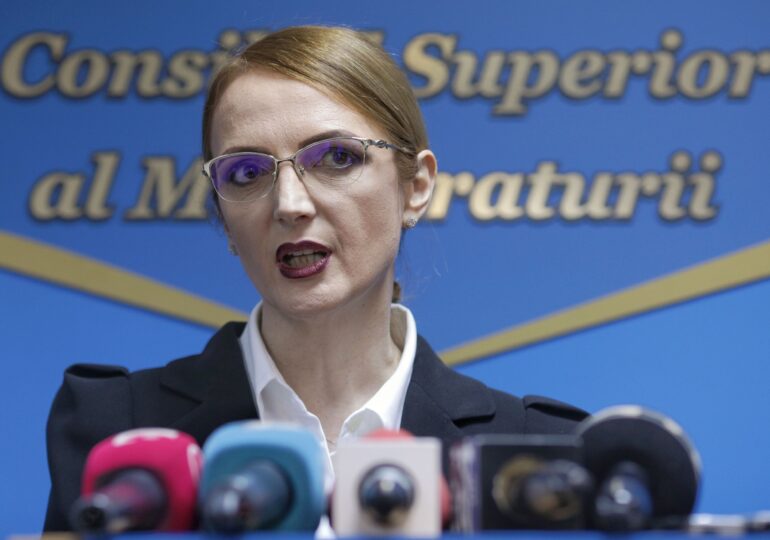
"The Council notes the amplification of the campaign to destabilize the judiciary power by undermining trust in the justice system and in individuals holding leadership positions…," announced the Superior Council of Magistracy, in a press release dated December 11, in response to the Recorder documentary.
Since the real debate on the reform of the magistrates' pension system, a very generous reform ensuring retirement with 70% of the average salary but at the age of 65, Lia Savonea, the President of the High Court of Cassation and Justice, together with the SCM, have done everything possible to derail any attempt at regulation, angering public opinion.
An Unusual Practice
It is true that there are huge differences between the legal system in which Alvin Hellerstein operates and the one in which Mihail Udroiu operated, from the way they entered the profession to the number of cases to be resolved, but it is hard to overlook how U.S. judges approach their profession compared to what happens in Romania.
On January 16, at the Constitutional Court, there will be a new attempt by the majority to validate the magistrates' pension reform, provided that the judges appointed by PSD - Busuioc, Licu, Deliorga, and Stan - do not boycott the session again.
... the public contestation of the President of the High Court of Cassation and Justice and the judges of the supreme court, announced by several non-governmental organizations, constitutes an unprecedented escalation of the campaign against the judiciary, incompatible with the independence of justice and its fundamental role in the rule of law...
Superior Council of Magistracy, press release November 14, 2025, defending Lia Savonea against criticisms from society
Until then, at the High Court of Cassation and Justice, Silvia Uscov, a lawyer close to the extremist AUR party, has filed a series of complaints against the appointments of constitutional judges, receiving quick hearings, an unusual practice for the Supreme Court. At the first hearing, the decision was postponed until January 16, the same day as the important CCR session.
The Gap between the State and Citizens
Lia Savonea has managed to build a pyramidal system of control over judges and some prosecutors through the SCM and the Judicial Inspection, accumulating immense power, which even scares some political leaders.
Her aggressive refusal to negotiate with the government regarding magistrates' pensions, the strong positions she has taken, have turned her into the epitome of the current corruption in the judicial system, one that acquits defendants en masse.
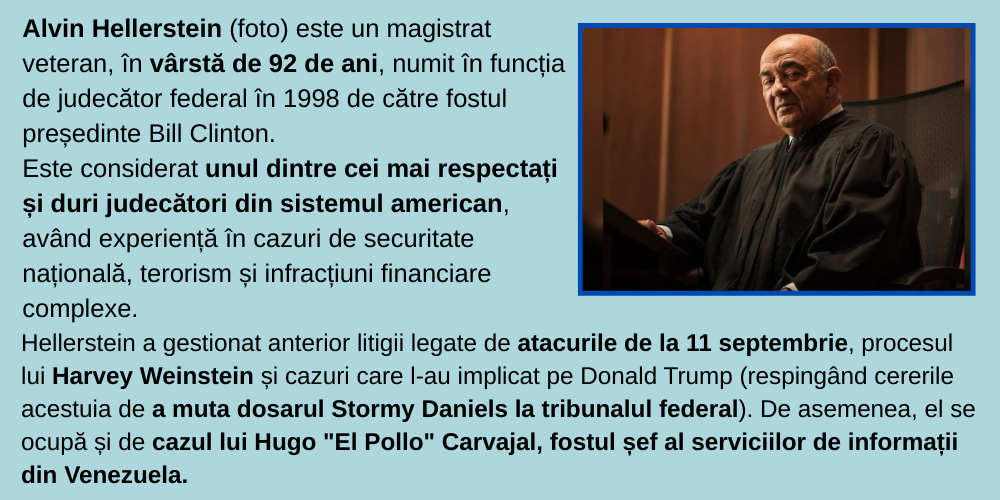
The news that a 92-year-old judge wakes up early every morning and comes to work to dispense justice in a case that has captured global attention not only highlights the privileges that Romanian magistrates have attained but also other special employees in the public system, and a profound lack of ethics in the relationship between the state and its citizens.
If this gap in the social contract is not quickly addressed, the Romanian state will dissolve if it has not already. There is a need to promote responsibility at the highest level, one that will change the perspective of individuals in public service.
The epic battle between the remnants of the past and the harsh reality of the present has begun, and the stake is Romania itself, which can no longer pretend to be a democracy but must act accordingly and fundamentally change if it wants to survive.