

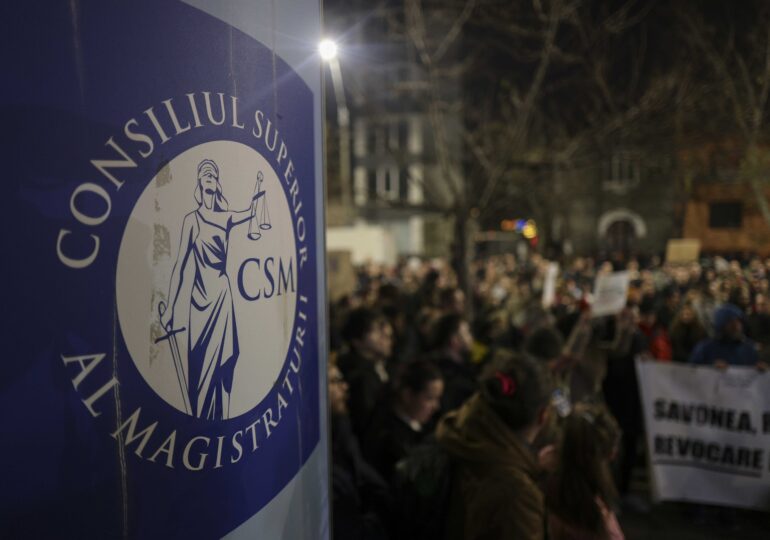
Although I have been working for a long time, I have never before witnessed such a powerful, deep, and widespread reaction in society to a journalistic investigation.
The Recorder documentary was like a spark that ignited a fire in the early hours of yesterday morning, rapidly spreading across the entire country, bringing the judicial mafia, controlled by Lia Savonea, the President of the Supreme Court, to the forefront of public debate.
Over the past years, there have been thousands of articles, news pieces, investigations, and interviews exposing judicial corruption: the manipulation of the ECRIS case allocation system, the delegation of inconvenient judges, the passivity of the DNA under Marius Voineag’s leadership, the abuses of the CSM, and the serial rescue of major corrupt figures based on the expiration of offenses.
What journalists Andreea Pocotilă and Mihai Voinea did was piece together bit by bit from this complex puzzle and present in a simple, direct, and exemplary manner how the justice system is influenced by politicians in power, the SRI, and a network within the system built around Lia Savonea, who controls all decision-making levers and silences the magistrates who want to do their job.
Corruption returns, although it never left
From the reactions of those I spoke with yesterday, colleagues, experts, but also the wave of posts on social media, I was left with the feeling that hundreds of thousands of people felt deceived by a toxic alliance forged behind closed doors between Iohannis, Ciucă, Ciolacu, and Lia Savonea, in order to provide protection for both politicians and magistrates.
Exploiting the pandemic, through the amendment of the justice laws in August 2022, they created the context in which Lia Savonea's influence network had a free hand to destroy all major corruption cases pending in the courts.
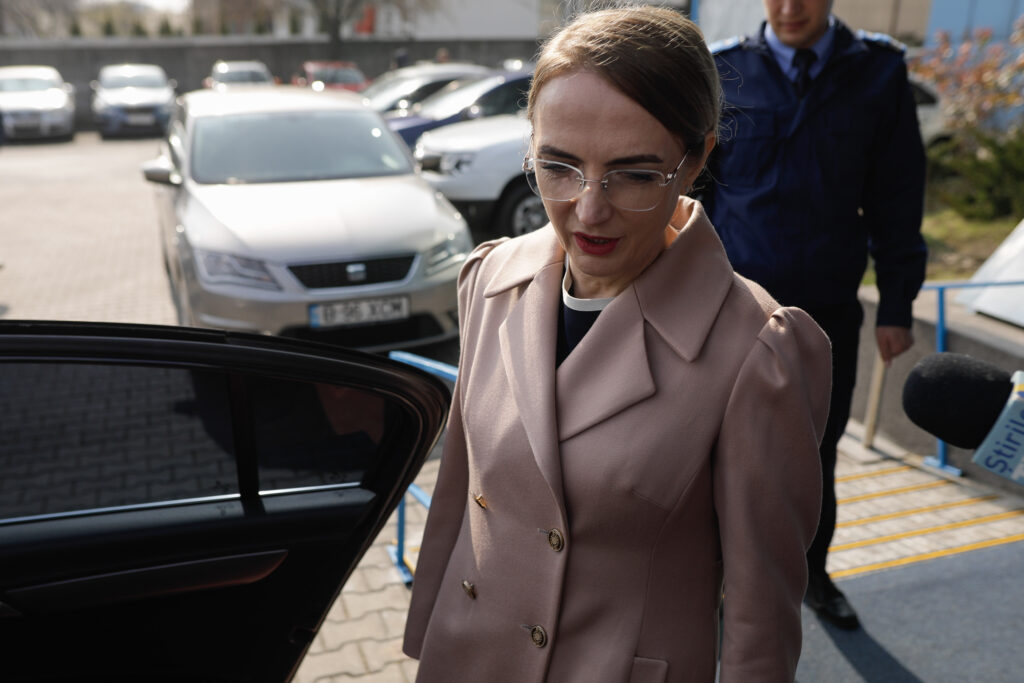
Many times over the past years, we discussed in editorial meetings the visible abuses in judges' decisions and wondered when the issue of corruption would once again become important to public opinion.
The Recorder documentary succeeded, through meticulousness, passion, and determination with which it was crafted, in drawing attention and defining the immense danger to Romanian society posed by corruption in politics and justice.
It is immoral for any democratic government to raise taxes, to demand solidarity from citizens without offering anything in return, not even the confidence that they are living in a society striving to be just.
An almost secret agreement
For a long time, I wondered why Lia Savonea, as well as the judges of the CSM, were so vehement about the issue of magistrates' pensions.
Their inflexible stance bordered on illogicality. It was loud, brutal, and full of contempt towards public opinion, rightfully outraged that a magistrate could retire at 48 with a pension higher than their salary.
No one reacts so arrogantly when presented with facts and arguments describing an anomaly. I repeat, it was never about the salaries of prosecutors and judges, but about the retirement age and pension amount, which were, as they say, truly outrageous.
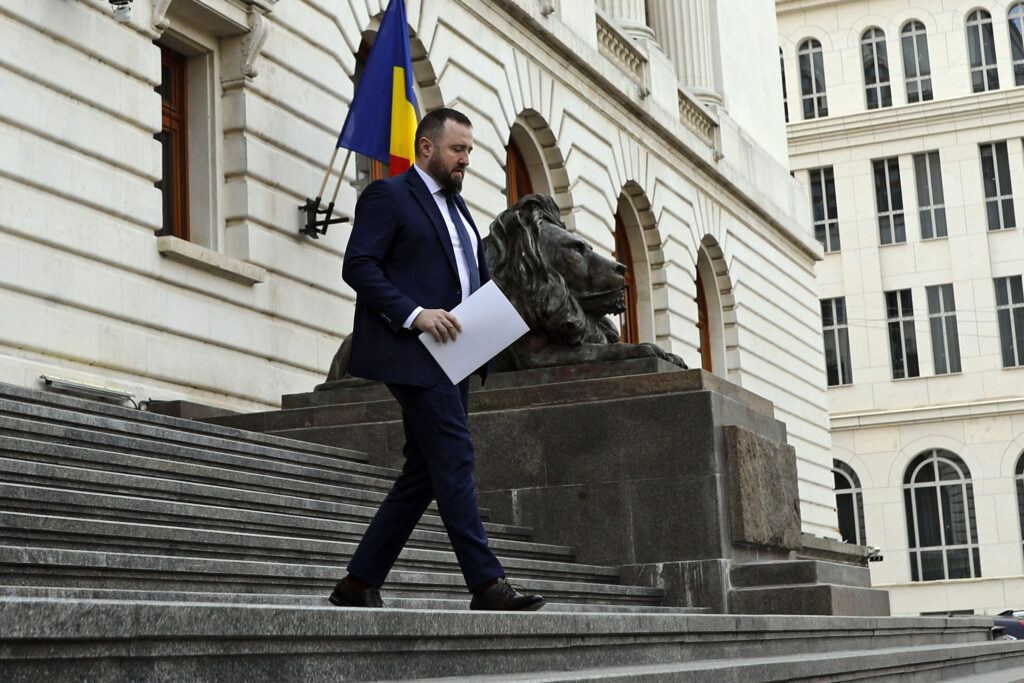
Such a reaction only occurs when those in the discussion control the situation, rely on something solid, and have nothing to fear. I admit that for a long time, I did not understand where this confidence came from.
The investigation carried out by Recorder helped me in the sense that it subtly indicates the existence of a PSD-PNL-Lia Savonea agreement, during Iohannis's term and with his approval, to annul corruption cases, halt prosecutors' investigations, and delay court decisions until the statute of limitations is activated, allowing politicians to be above the law and the magistrates who protect them to receive the privilege of retiring quickly and with substantial benefits.
Judge Laurențiu Beșu clearly states in the interview given to Recorder that at the Bucharest Court of Appeal, instructions came from court presidents to be "lenient" with defendants, to impose light sentences in corruption cases.
The country of stability has collapsed
This informal and infernal pact, at the same time, functioned for a while through a cascade of communication in which, amidst fears related to the border war, from the president to the last parliamentary member of the ruling party, it was repeatedly stated: Stay calm, Romania is stable. Nothing can happen because we are in NATO and the European Union.
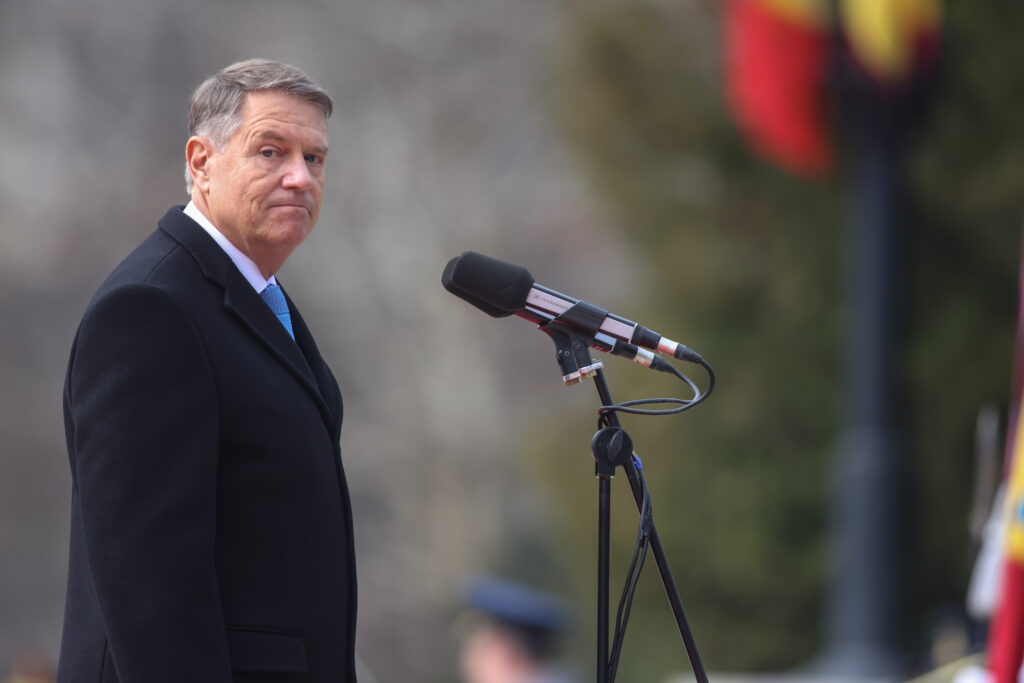
But the political construction erected by Iohannis was shattered by Russia's influence networks in Bucharest, and the much-touted stability crumbled, with Romania on the brink of financial collapse.
At that moment, with tax increases and the absence of reforms, abuses and corruption in politics and justice once again caught the attention of public opinion.
The central point of state reform became cutting the privileges of those generously paid at the expense of all, and rapid retirements from the judiciary became a symbol of a corrupt system incapable of delivering justice.
Already, the Recorder investigation has brought thousands of people to the streets, and several political leaders, led by President Nicușor Dan and Prime Minister Ilie Bolojan, have reacted.
These reactions will have no value if they are not followed by swift changes in the Justice, Interior ministers, namely Cătălin Predoiu, who validated the 2022 legislation, as well as the head of the DNA, Marius Voineag, and others, including the rapid modification of the CSM's attributions.
Romania is rapidly heading towards a major political crisis that only prompt decisions by those in power can avert.